Lunch Breakout Generator
Stuck in a lunch rut? Generate a fresh idea or see how much you could save by packing your own.
Ready for an idea?
Click the button above to discover a quick, no-cook or easy-prep lunch option that beats the standard sandwich.
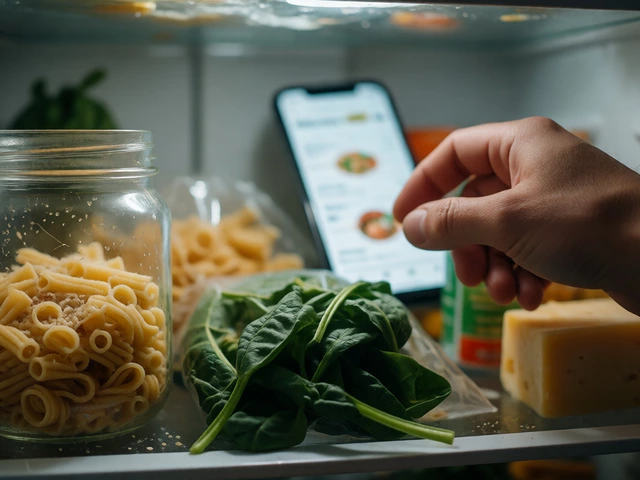
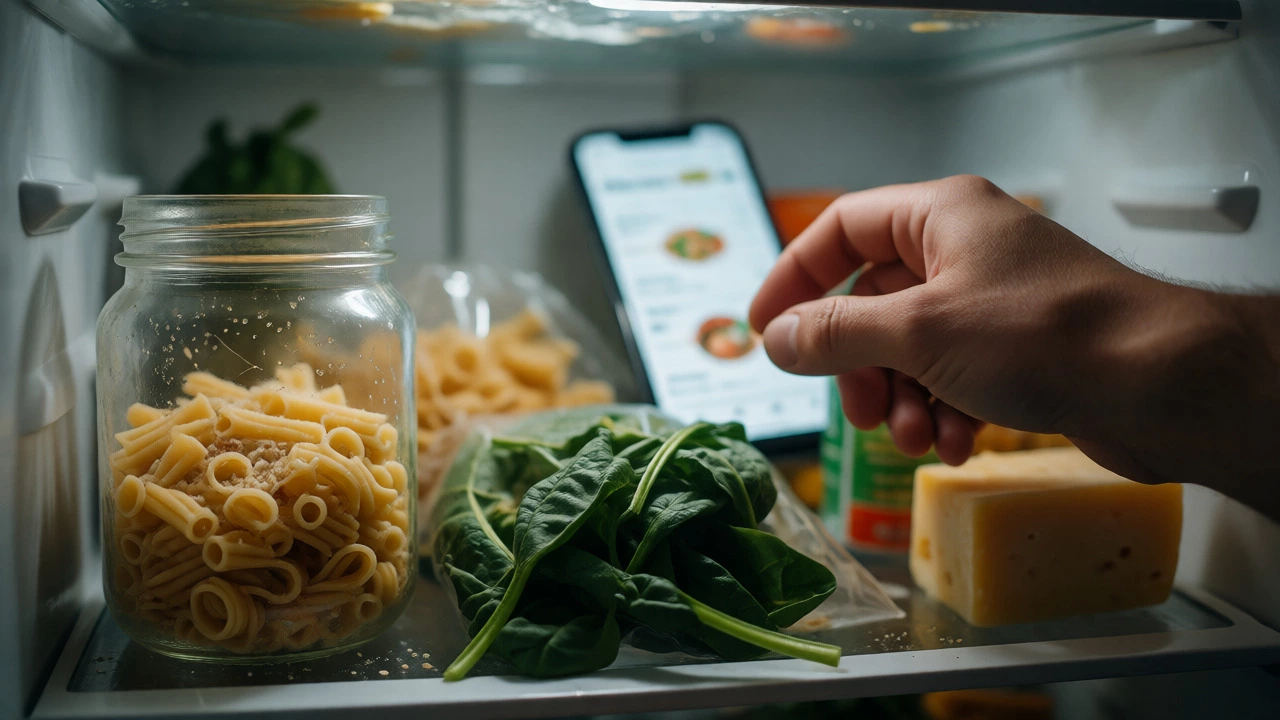
You stare into the fridge at 12:30 PM. The same sad jar of leftover pasta sits next to a wilting bag of spinach and a block of cheese that’s seen better days. You open your delivery app, see $18 plus fees for a mediocre burrito, and sigh. Sound familiar? We’ve all been there, trapped in the "lunch rut" where every option feels like a compromise between convenience and quality.
But here’s the truth: lunch doesn’t have to be a chore or a calorie bomb. It can be fresh, fast, and actually make you feel good when you walk back to your desk (or head out for the afternoon). Whether you’re working from home, stuck in an office, or just trying to save money, breaking the sandwich cycle is easier than you think. Let’s look at what else you can have for lunch that takes less time to assemble than it does to wait for a microwave queue.
The Case Against the Same Old Sandwich
Why do we default to sandwiches? Because they are predictable. But predictability gets boring fast, and nutritionally, white bread with deli meat often leaves us sluggish by 2 PM. A standard ham-and-cheese on white toast might hit 400 calories but offers very little fiber or sustained energy. If you want to avoid the afternoon crash, you need variety and nutrient density.
Think about the last time you felt genuinely excited about lunch. Was it the turkey club? Probably not. It was likely something vibrant-maybe a poke bowl, a spicy wrap, or a hearty salad that didn’t taste like rabbit food. The key is shifting your mindset from "what can I grab?" to "what will fuel me?" This isn’t about strict dieting; it’s about enjoying your midday break without regret.
Five No-Cook Meals Ready in Under 5 Minutes
If you don’t want to turn on the stove, these options require zero cooking. They rely on pre-prepped ingredients or ready-to-eat components. This is perfect for hot summer days in Auckland or when you simply lack the energy to cook twice a day.
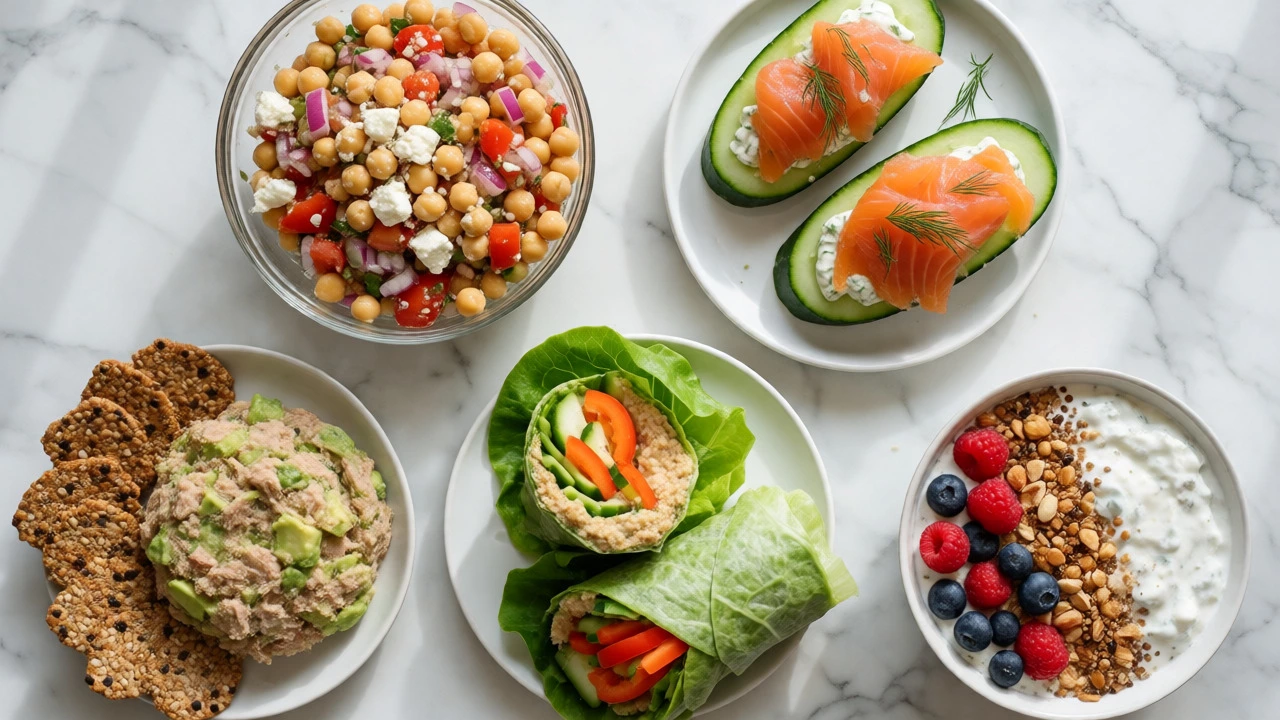
- Mediterranean Chickpea Salad: Drain a can of chickpeas, mix with diced cucumber, cherry tomatoes, red onion, and feta. Dress with olive oil, lemon juice, and oregano. It’s high in protein and fiber, keeping you full until dinner. Cost per serving: ~$2.50.
- Smoked Salmon Cucumber Boats: Slice cucumbers lengthwise, scoop out seeds, and fill with cream cheese, smoked salmon, and dill. Top with cracked pepper. It’s light, elegant, and requires no carbs if you’re watching intake.
- Tuna Avocado Mash: Mix canned tuna with mashed avocado, lime juice, and chili flakes. Serve with wholegrain crackers or rice cakes. The healthy fats keep brain fog away.
- Hummus Veggie Wraps: Use large lettuce leaves or low-carb tortillas as wraps. Fill with hummus, shredded carrots, bell peppers, and sprouts. Crunchy, fresh, and hydrating.
- Greek Yogurt Power Bowl: Not just for breakfast! Layer Greek yogurt with berries, nuts, and a drizzle of honey. It’s savory-sweet balance that curbs sugar cravings effectively.
Meal Prep Hacks That Save Your Weekends
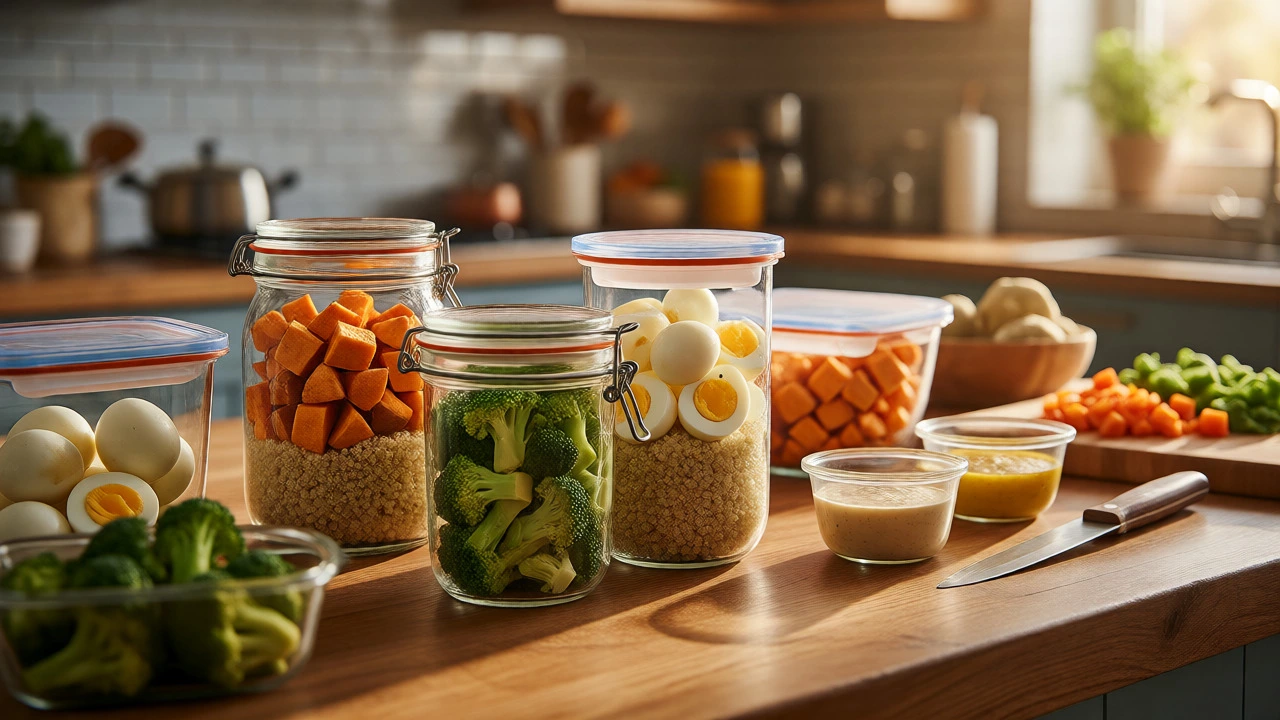
Most people fail at quick lunches because they don’t prep. Spending two hours on Sunday chopping vegetables means Monday through Friday lunches take five minutes to assemble. You don’t need fancy containers; glass jars work great.
Try the "Component Method." Instead of making five identical meals, prepare batches of base ingredients. Cook a big pot of quinoa or brown rice. Roast a tray of sweet potatoes and broccoli. Make a batch of hard-boiled eggs. During the week, you mix and match these components. One day it’s a grain bowl; the next, it’s a stir-fry add-in. This prevents boredom and reduces waste.
Pro tip: Keep sauces separate. Dressing makes greens soggy. Pack small containers of tahini, soy-ginger, or vinaigrette and add them right before eating. Your salad stays crisp, and flavors stay bright.
Global Flavors Without the Guilt
Why limit yourself to Western-style boxed lunches? International cuisines offer incredible variety using simple techniques. Many Asian and Middle Eastern dishes are naturally balanced and quick to assemble.
| Cuisine Style | Main Component | Prep Time | Key Benefit |
|---|---|---|---|
| Vietnamese Pho-Inspired Bowl | Rice noodles, broth, herbs, beef/chicken | 10 mins (if broth pre-made) | Hydrating and warm |
| Middle Eastern Mezze Plate | Hummus, tabbouleh, olives, pita | 5 mins (assembly only) | No cooking required |
| Japanese Onigiri | Seasoned rice balls with filling | 15 mins (batch prep) | Portable and mess-free |
| Mexican Burrito Bowl | Beans, rice, salsa, grilled veggies | 10 mins (reheat) | High fiber and protein |
For example, try assembling a Vietnamese-style bowl. Buy pre-cooked rice vermicelli and a jar of good-quality pho broth. Heat the broth, pour over noodles, and top with fresh mint, basil, bean sprouts, and sliced chili. It tastes like a restaurant meal but costs pennies compared to ordering out.
Saving Money While Eating Better
Let’s talk numbers. In New Zealand, buying lunch daily can cost upwards of $15-$20 per day. That’s $75-$100 a week. Over a year, that’s thousands of dollars spent on mediocre meals. Making your own lunch cuts this cost significantly.
A homemade Mediterranean bowl uses bulk-bought grains and seasonal veggies. Even if you buy premium ingredients like feta or avocados, the cost per portion drops to under $4. Plus, you control the salt and sugar levels. Restaurant salads often hide dressings with excessive sodium and hidden sugars. By dressing your own, you know exactly what goes in.
Consider investing in a few quality tools: a sharp knife, a good cutting board, and leak-proof containers. These pay for themselves within a month. Also, shop sales. Bulk bins for nuts, seeds, and grains are cheaper than pre-packaged versions. Frozen vegetables are just as nutritious as fresh and reduce waste since they don’t spoil quickly.
Overcoming the "I Don’t Have Time" Excuse
We often claim we’re too busy to pack lunch. But how much time do you spend scrolling through delivery apps? Or waiting in line at the café? Prepping lunch usually takes less time than navigating the logistics of buying one.
If mornings are chaotic, prep the night before. Set aside ten minutes after dinner to chop veggies or boil eggs. Store them in clear containers so you can grab and go. If you forget, keep emergency options in your pantry: instant miso soup packets, nut butter sachets, and wholegrain crackers. These aren’t ideal daily staples, but they beat skipping lunch entirely.
Another strategy is the "Rule of Three." Pick three lunches you love and rotate them weekly. This simplifies shopping lists and decision fatigue. Once those three become routine, swap one out for a new experiment. Variety comes gradually, not all at once.
Frequently Asked Questions
How long can prepared lunches sit in the fridge?
Most cooked components like grains, roasted vegetables, and proteins last 3-4 days in the refrigerator when stored in airtight containers. Salads with dressing should be eaten within 24 hours, while dry salads can last up to 4 days if kept cold and dry.
What are some high-protein vegetarian lunch ideas?
Great options include lentil soups, chickpea curries, tofu stir-fries, edamame bowls, and tempeh wraps. Pairing legumes with grains like quinoa creates a complete protein profile similar to meat.
How do I stop my lunch from getting soggy?
Store wet ingredients separately from dry ones. Put dressing at the bottom of a jar, then layer harder veggies, proteins, and finally leafy greens on top. Alternatively, use water-resistant barriers like nuts, seeds, or avocado slices to coat the greens before adding liquids.
Is it cheaper to eat out or bring lunch?
Bringing lunch is almost always cheaper. In New Zealand, a typical cafe lunch costs $15-$25, while a homemade equivalent costs $3-$6. Even accounting for utilities and groceries, bringing lunch saves hundreds of dollars monthly.
What are good snacks to pair with a light lunch?
Pair light lunches like salads or wraps with a piece of fruit, a handful of almonds, or a small yogurt. This adds volume and satiety without feeling heavy, preventing mid-afternoon hunger spikes.