
Gluten Belly Symptom Checker
Not sure if your bloating is caused by gluten? This tool helps distinguish between Gluten Sensitivity/Celiac, Lactose Intolerance, and FODMAP Sensitivity based on the article's comparison table. Select the options that best match your experience.
Trigger Foods
Symptom Onset
Primary Symptoms
Analysis Result
You eat what you think is a healthy lunch-a sandwich on whole wheat, maybe some crackers with cheese-and two hours later, your jeans feel like they’re shrinking. You look in the mirror and see a distended stomach that wasn’t there this morning. You haven’t gained ten pounds of fat overnight, so what gives? This phenomenon is widely known as gluten belly, a term used to describe significant abdominal bloating and discomfort triggered by consuming gluten-containing foods. It’s not just a social media buzzword; it’s a real physiological response that millions of people experience, ranging from mild irritation to severe pain.
The confusion starts because "gluten belly" isn't a single medical diagnosis. It’s an umbrella term for a set of symptoms that can stem from different underlying issues. Are you dealing with Celiac Disease, an autoimmune disorder where ingesting gluten damages the small intestine? Or is it Non-Celiac Gluten Sensitivity (NCGS), a condition where individuals test negative for Celiac but still react badly to gluten? Maybe it’s actually fructose malabsorption or a reaction to fermentable carbohydrates (FODMAPs) often found alongside gluten sources. Understanding which bucket you fall into changes everything about how you treat it.
Why Does My Stomach Expand After Eating Bread?
To understand why your belly balloons, you have to look at what happens inside your digestive tract when gluten enters the picture. Gluten is a composite of storage proteins-gliadin and glutenin-found in grains like wheat, the most common source of dietary gluten worldwide, barley, and rye. For most people, these proteins break down harmlessly during digestion. But if your body lacks specific enzymes or has an immune sensitivity, those proteins linger.
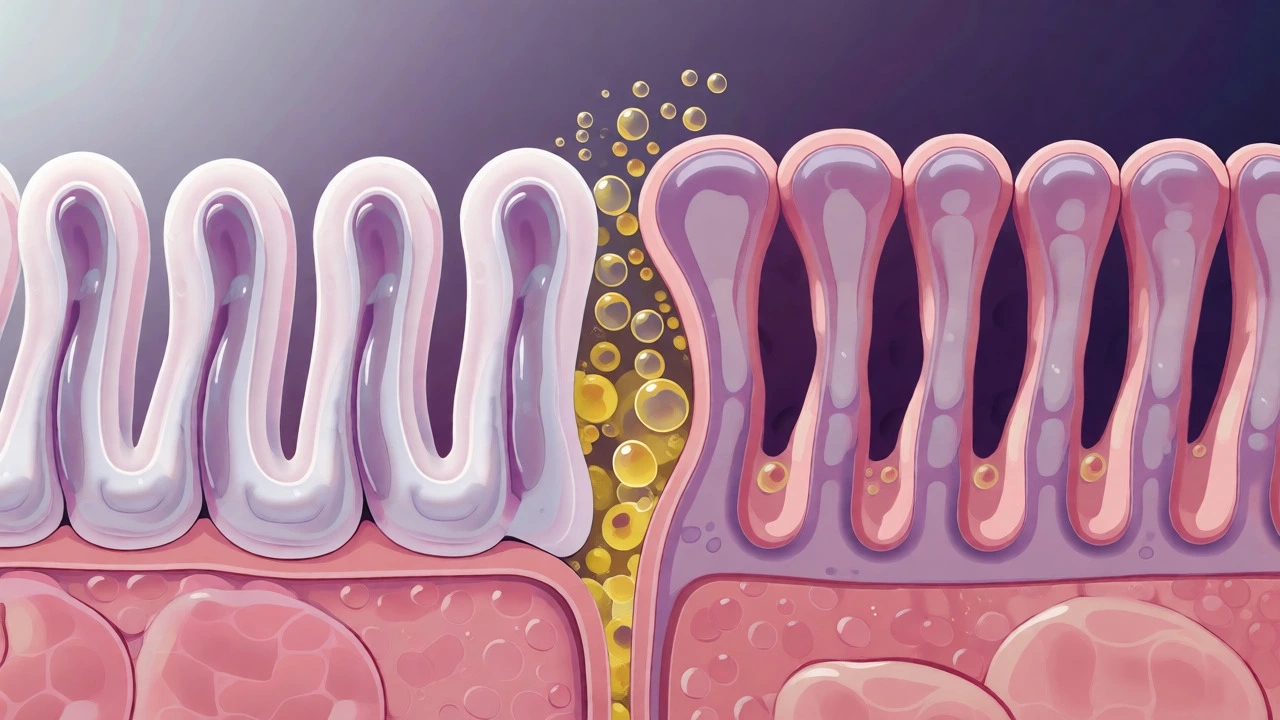
In cases of Celiac Disease, the immune system attacks the lining of the small intestine when exposed to gliadin. This damage flattens the villi, tiny finger-like projections that help absorb nutrients. When absorption fails, food moves through the gut undigested, feeding bacteria that produce gas. That gas stretches the intestinal wall, causing visible distension. In Non-Celiac Gluten Sensitivity, the mechanism is less violent but similar: inflammation and altered gut motility lead to fluid retention and gas buildup. The result is that tight feeling around the waistband, often accompanied by brain fog or fatigue.
It’s worth noting that modern wheat varieties are different from those eaten fifty years ago. While selective breeding hasn’t necessarily increased gluten content significantly, the way we process flour has changed. Rapid fermentation methods in commercial baking might leave more residual proteins than traditional slow-fermented sourdough. Some people find they can tolerate properly fermented sourdough bread but bloat violently after eating a mass-produced white bun. This suggests the issue isn’t always the protein itself, but how easily your body can access and digest it.
Distinguishing Gluten Belly from Other Gut Issues
Not every bloated tummy is a gluten problem. If you assume every puffiness is caused by toast, you might miss the actual culprit. Here is how to tell the difference between true gluten-induced swelling and other common digestive complaints.
| Feature | Gluten Sensitivity/Celiac | Lactose Intolerance | FODMAP Sensitivity |
|---|---|---|---|
| Trigger Foods | Wheat, barley, rye, triticale | Milk, ice cream, soft cheeses | Onions, garlic, apples, beans, wheat |
| Symptom Onset | 30 minutes to several hours | 30 minutes to 2 hours | Variable, often delayed |
| Primary Symptom | Bloating, fatigue, joint pain | Gas, diarrhea, cramping | Bloating, pain, irregular bowel habits |
| Test Method | Blood test, biopsy, elimination diet | Hydrogen breath test | Elimination and reintroduction protocol |
Notice the overlap. Wheat contains both gluten and fructans (a type of FODMAP). Many people who believe they are sensitive to gluten are actually reacting to the fructans. This is a crucial distinction. If you cut out gluten but keep eating onions and garlic, you might still feel bloated. Conversely, if you cut out all FODMAPs, you remove gluten sources anyway, so you won’t know which one was the problem until you carefully reintroduce them separately.
The Elimination Diet: Your Best Diagnostic Tool
There is no simple blood test for Non-Celiac Gluten Sensitivity. Doctors diagnose it by ruling out Celiac Disease and wheat allergies first. Once those are cleared, the gold standard for identifying gluten belly is the elimination diet. But you can’t just skip the pasta for a weekend and call it done. You need structure.
- Step 1: The Clean Slate. Remove all obvious gluten sources for 2-4 weeks. This means no bread, pasta, beer, soy sauce, or processed meats with fillers. Read labels aggressively. Hidden gluten lurks in salad dressings, gravies, and even some medications.
- Step 2: Observe Baseline. Keep a journal. Note your energy levels, stool consistency, and abdominal circumference (yes, measure it with a tape measure). Do you feel lighter? Clearer-headed? Less puffy?
- Step 3: The Challenge. Reintroduce gluten deliberately. Eat a slice of regular toast or a bowl of wheat pasta. Wait 48-72 hours. Watch closely for symptoms. If the bloat returns within hours, you likely have a sensitivity.
- Step 4: Confirm. Stop gluten again. If symptoms vanish, then return upon re-exposure, you have confirmed the trigger.
This process takes time, but it saves you from cutting out entire food groups unnecessarily. I’ve seen clients eliminate gluten for months only to realize their bloating was caused by artificial sweeteners in their "healthy" protein bars. Precision matters.
Immediate Relief Strategies for Acute Bloating
If you accidentally ate a cookie and now feel like you swallowed a balloon, what can you do right now? You can’t undo the ingestion, but you can manage the aftermath.
First, move. Light walking helps stimulate peristalsis-the wave-like muscle contractions that move food through your digestive tract. Sitting on the couch slows this process down, trapping gas further. Second, try peppermint tea. Peppermint contains menthol, which acts as a natural antispasmodic, relaxing the smooth muscles of the intestines and allowing trapped gas to pass. Be cautious if you have acid reflux, as peppermint can worsen heartburn.
Hydration is counter-intuitive but essential. When you’re bloated, you might want to drink less, thinking water adds volume. However, dehydration causes the body to retain water, worsening the puffiness. Drink warm water or ginger tea instead. Ginger promotes gastric emptying, moving contents out of the stomach faster. Avoid carbonated drinks; adding more gas to an already expanded gut is rarely a good idea.
Over-the-counter options exist, too. Simethicone breaks up gas bubbles, making them easier to pass. Digestive enzymes containing DPP-IV (dipeptidyl peptidase-IV) may help break down gluten peptides slightly better, though they aren’t a cure-all for Celiac patients. Use these as temporary aids, not long-term solutions.

Navigating Life Without the Puff
Living with gluten belly means becoming a detective of your own diet. It doesn’t mean you can never enjoy a meal out, but it does mean being strategic. In Auckland, where café culture thrives, finding safe options requires vigilance. Many places offer gluten-free bread, but cross-contamination in shared toasters is a frequent offender. Always ask if they use separate preparation areas.
Focus on naturally gluten-free foods rather than processed substitutes. Almond flour, coconut flour, quinoa, rice, potatoes, and legumes are stable staples. Processed gluten-free products often contain high amounts of starches and gums (like xanthan gum) that can cause their own digestive upset in sensitive individuals. If you switch from wheat bread to a dense, gummy gluten-free loaf and still feel bloated, the substitute might be the problem, not the absence of gluten.
Consider the role of stress. The gut-brain axis is powerful. High cortisol levels can increase intestinal permeability (leaky gut), making you more reactive to triggers. Managing stress through mindfulness or exercise can reduce the severity of gluten reactions. It’s not just about what you eat; it’s about how you eat it. Chew thoroughly. Digestion begins in the mouth. Swallowing large chunks of food puts extra strain on a compromised digestive system.
When to See a Doctor
While occasional bloating is normal, persistent gluten belly warrants professional attention. If you experience unexplained weight loss, blood in your stool, chronic diarrhea lasting more than two weeks, or anemia despite eating well, see a GP. These could signal Celiac Disease or inflammatory bowel conditions that require specific medical management.
Do not start a gluten-free diet before getting tested for Celiac Disease. If you stop eating gluten, your antibody levels drop, leading to false-negative blood tests. You must be consuming gluten regularly (daily) for at least six weeks prior to testing to get accurate results. Ask your doctor for a full panel, including total IgA, to ensure the test is valid.
Is gluten belly the same as Celiac Disease?
No. Celiac Disease is an autoimmune condition that damages the small intestine. "Gluten belly" is a symptom often associated with Non-Celiac Gluten Sensitivity, where the body reacts to gluten without the autoimmune damage seen in Celiac. Both cause bloating, but the mechanisms and long-term risks differ.
How long does it take for gluten belly to go away?
For mild sensitivity, symptoms may subside within 24-48 hours after avoiding gluten. For Celiac Disease, intestinal healing can take months to years. Immediate bloating relief often occurs within a day or two of stopping gluten intake, depending on individual digestion speed.
Can oats cause gluten belly?
Pure oats are gluten-free, but they are frequently contaminated with wheat during processing. Additionally, some people react to avenin, a protein in oats similar to gluten. If you suspect oats are triggering bloating, choose certified gluten-free oats and monitor your reaction.
Does alcohol cause gluten belly?
Yes, if the alcohol contains gluten. Beer made from barley, wheat, or rye contains gluten. Wine, spirits, and hard cider are generally gluten-free. Alcohol also irritates the gut lining, which can exacerbate bloating regardless of gluten content.
Are gluten-free diets healthier for everyone?
Not necessarily. For people without sensitivity, gluten-free processed foods can be higher in sugar and calories and lower in fiber and iron than their whole-grain counterparts. A gluten-free diet is medically necessary for some, but not inherently superior for general health unless focused on whole, unprocessed foods.