Side Dish Health Calculator
Analyze Your Side Dish
Select a base dish and its preparation style to see how much it impacts your meal.
Analysis Results
Analyzing...Why this matters?
Nutrient density vs. calorie density is key. A high score means you are getting vitamins and fiber for fewer calories. A low score means you are consuming empty calories from fats and sugars.
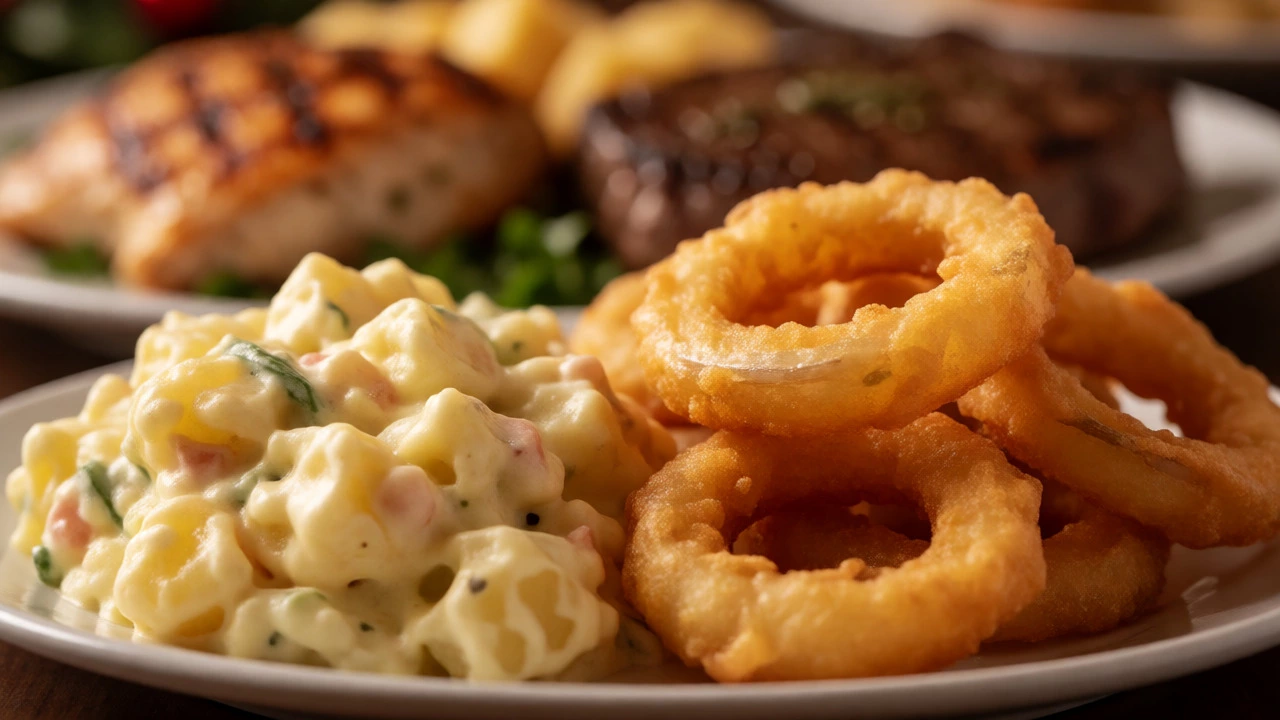
You’re at a barbecue or a holiday dinner. The main course looks decent-maybe grilled chicken or a lean steak. But then you look at the spread of side dishes. That creamy potato salad? It’s basically mayonnaise with potatoes floating in it. Those golden-brown onion rings? They are deep-fried batter hiding a sliver of onion. We often think our main meal is healthy, but the side dishes can silently double or triple your calorie intake. So, what actually takes the crown for the most unhealthy side dish?
It’s not just about calories. It’s about nutrient density versus calorie density. A side dish that packs 800 calories from saturated fat and refined carbs while offering almost zero vitamins or fiber is doing you no favors. While Macaroni and Cheese is a strong contender for the title due to its heavy cream and cheese load, there are other culprits that sneak up on you.
The Heavy Hitters: Why Some Sides Pack More Punch Than You Think
When we talk about "unhealthy," we usually mean three things: excessive saturated fat, high sodium, and low nutritional value. Let’s break down the usual suspects found at potlucks and buffets.
French Fries are arguably the most common offender. A medium serving from a fast-food chain can hit 500 calories, mostly from oil absorbed during frying. They offer minimal protein and fiber, leaving you hungry an hour later. But if you step away from the fryer, things get worse in terms of hidden fats.
Consider Creamed Spinach. It sounds virtuous because it’s spinach, right? Wrong. In many restaurant preparations, this leafy green is boiled to death and then smothered in a béchamel sauce made with butter, flour, and heavy cream. You lose the crisp texture and fresh nutrients, replacing them with a dense calorie bomb that tastes like comfort rather than health.
Then there’s the Baked Potato trap. A plain baked potato is actually quite healthy-it has potassium, fiber, and vitamin C. But add sour cream, cheddar cheese, bacon bits, and chives (which are fine), and you’ve turned a 160-calorie snack into a 600+ calorie meal. The toppings do all the damage here.
Mac and Cheese vs. The Rest: A Nutritional Showdown
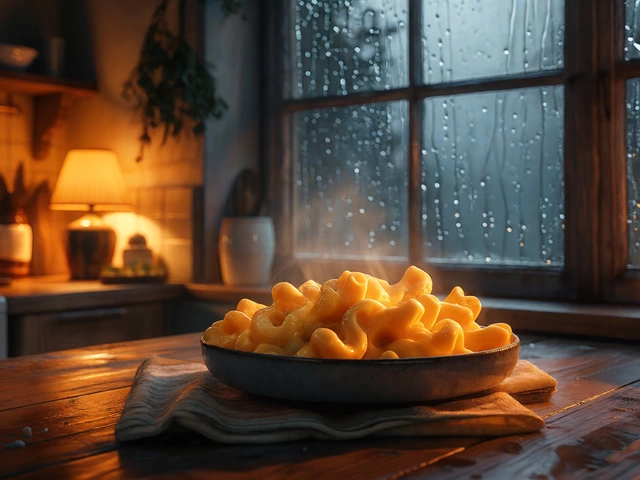
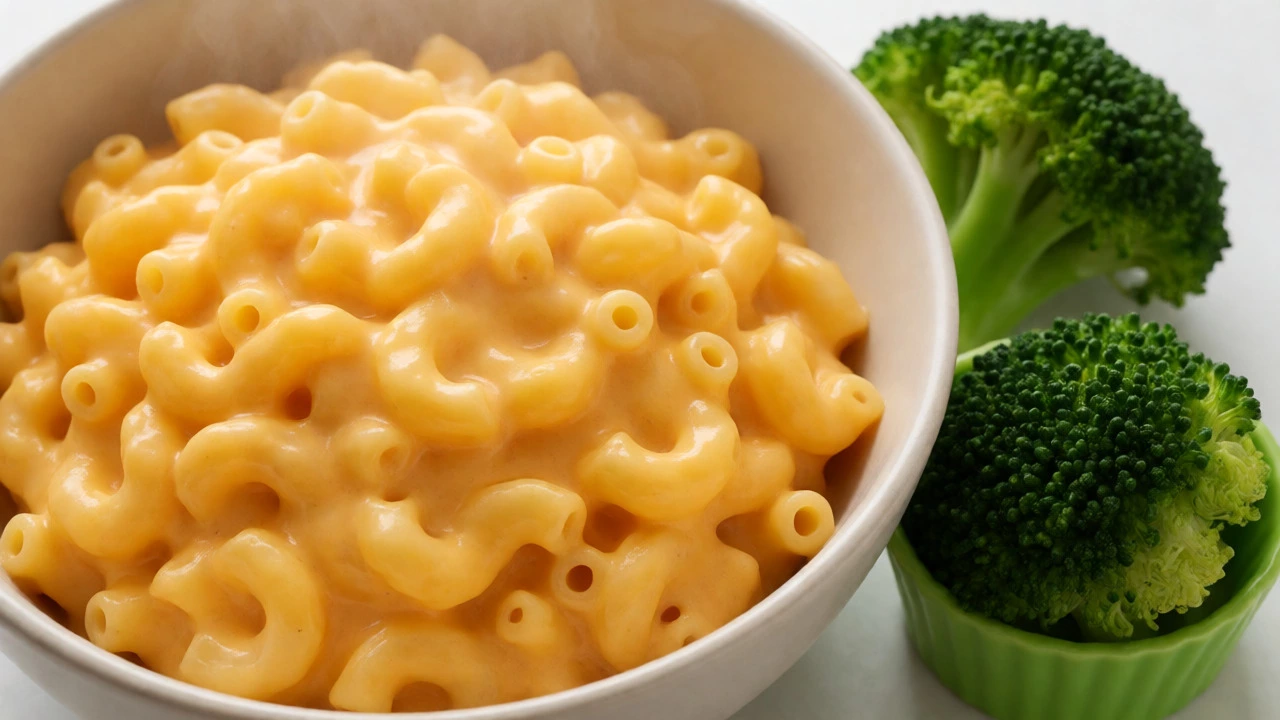
If we had to pick one dish that consistently ranks as the most calorically dense and nutritionally poor side, it’s often Macaroni and Cheese. Traditional homemade versions use elbow pasta, whole milk, heavy cream, and multiple types of cheese. Boxed versions aren’t much better; they rely on processed cheese powders high in sodium and preservatives.
Let’s look at the numbers. A standard cup of homemade mac and cheese can contain between 400 and 700 calories, depending on the recipe. That’s nearly half the daily recommended intake for some adults, just for a side dish. Compare that to a cup of steamed broccoli, which has about 50 calories. The difference is staggering.
| Side Dish | Calories | Saturated Fat (g) | Sodium (mg) | Nutrient Density |
|---|---|---|---|---|
| Macaroni and Cheese (Homemade) | 500-700 | 15-25 | 800-1200 | Low |
| French Fries (Restaurant Style) | 365 | 3.5 | 246 | Very Low |
| Coleslaw (Creamy) | 190 | 10 | 300 | Moderate |
| Mashed Potatoes (with Butter/Milk) | 237 | 5 | 400 | Moderate |
| Steamed Broccoli | 55 | 0 | 30 | High |
Notice the saturated fat content in mac and cheese. High levels of saturated fat are linked to increased LDL cholesterol, which raises heart disease risk. When you pair a fatty main course like ribeye steak with mac and cheese, you’re doubling down on saturated fats without realizing it.
Desserts Disguised as Sides: The Sweet Trap
Since this article sits under Dessert Recipes, we have to address the elephant in the room: sweet sides. Is a brownie a side dish? At a buffet, sometimes yes. But even savory-sweet hybrids can be dangerous.
Think about Apple Crumble served alongside pork chops. Or Peach Cobbler with chicken. These dishes are loaded with sugar and butter. A single scoop of cobbler can easily exceed 300 grams of sugar and fat combined. If you’re eating this as a side, you’re essentially eating dessert twice.
In New Zealand, where I live, we see this with pavlova being eaten before the main meal, or sweet kumara mash loaded with brown sugar and butter. Kumara (sweet potato) is healthy, but when you drown it in marshmallows and syrup, it becomes a confectionery item rather than a vegetable side.
How to Spot the Hidden Calories
You don’t need a lab coat to spot an unhealthy side. Look for these visual cues:
- The Shine Test: If the food glistens excessively, it’s coated in oil, butter, or syrup. Steamed veggies shouldn’t shine unless lightly tossed in olive oil.
- The Sauce Factor: Cream-based sauces (alfredo, béchamel, ranch) are calorie-dense. Tomato-based or vinegar-based dressings are generally lighter.
- The Texture: Deep-fried items absorb significant amounts of oil. Battered items absorb even more because the batter acts like a sponge.
- The Color: Golden brown often means Maillard reaction plus fat. Pale white or bright green usually indicates less processing and fewer added fats.
Also, consider portion size. Even healthy foods become unhealthy in massive quantities. A huge bowl of quinoa salad dressed with tahini and nuts can still pack 400 calories if the dressing is generous. Always ask yourself: "Is this adding flavor, or is it just adding weight?"
Healthier Swaps That Don’t Taste Like Cardboard
You don’t have to give up comfort food. You just need to tweak the preparation method. Here are some easy swaps that keep the taste but cut the junk.
Instead of Mashed Potatoes with heavy cream, try mashed cauliflower. Blend steamed cauliflower with a little garlic, olive oil, and parmesan. It has a similar creamy texture but cuts calories by half and adds fiber.
Swap Fried Onion Rings for roasted red peppers or air-fried zucchini fries. Zucchini has a mild flavor that takes on spices well, and air frying uses a fraction of the oil needed for deep frying.
For mac and cheese lovers, try using whole wheat pasta and blending cottage cheese into your cheddar sauce. Cottage cheese adds protein and creaminess without the same amount of saturated fat as pure heavy cream. Add mustard powder to enhance the cheesy flavor so you can use less cheese overall.
The Verdict: What Really Wins the Title?
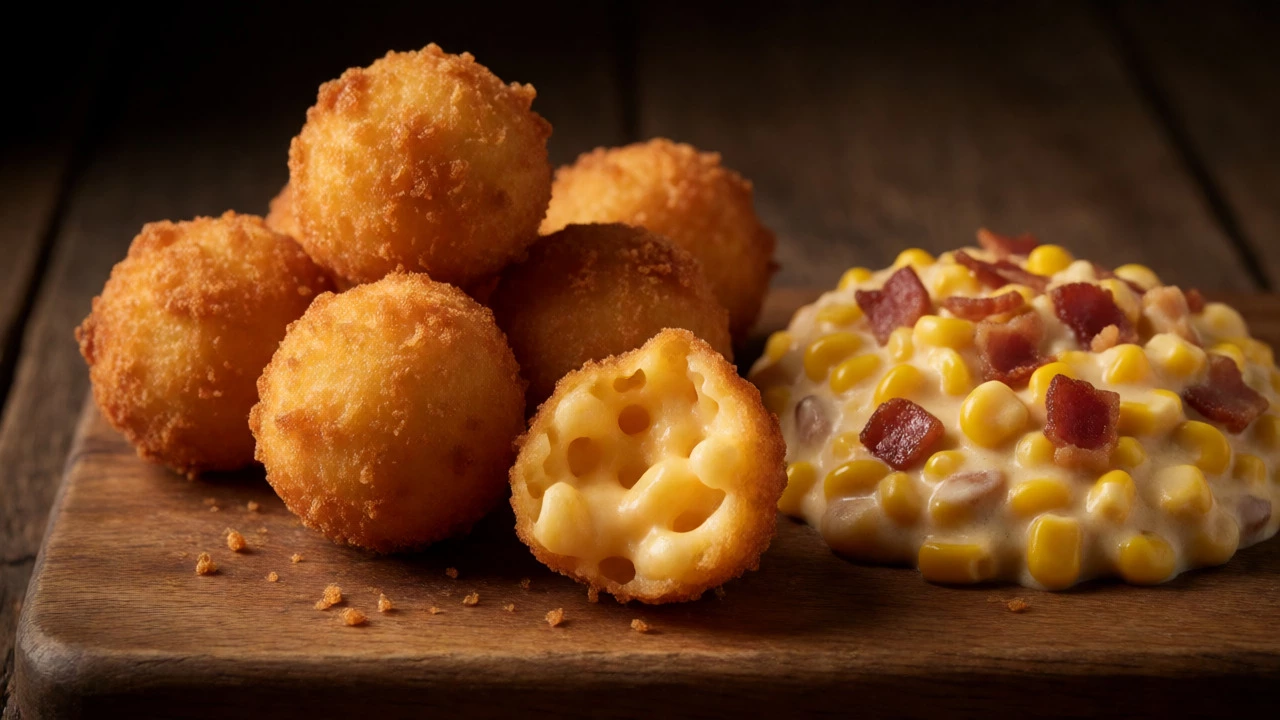
So, what is the most unhealthy side dish? If we judge by sheer caloric density and lack of nutrients, Deep-Fried Mac and Cheese Balls take the cake. They combine the high fat of fried dough with the high saturated fat of cheese. One ball can be 100 calories. Eat five, and you’ve consumed 500 calories with barely any fiber or vitamins.
But among traditional sit-down sides, Creamed Corn with Bacon is a silent killer. Corn is starchy, cream is fatty, and bacon is processed meat high in sodium and nitrates. This trio creates a perfect storm of inflammation-promoting ingredients.
Ultimately, the "most unhealthy" dish depends on how it’s prepared. A small portion of homemade mac and cheese made with real ingredients is far better than a large portion of store-bought coleslaw filled with sugar and soybean oil. Context matters. Portion control matters. Ingredient quality matters.
Are baked potatoes healthier than french fries?
Yes, significantly. A plain baked potato has about 160 calories and provides fiber, potassium, and vitamin C. French fries are deep-fried, absorbing oil that increases their calorie count to over 300 per serving and adds unhealthy trans or saturated fats depending on the oil used. However, loading a baked potato with butter, sour cream, and cheese can negate its health benefits.
Is rice a healthy side dish?
White rice is low in fiber and nutrients compared to brown rice, but it isn't inherently "unhealthy" unless eaten in massive portions or paired with high-fat sauces. Brown rice retains the bran and germ, providing more fiber, magnesium, and antioxidants. If you're watching blood sugar spikes, brown rice or quinoa are better choices than white rice.
Why is coleslaw considered unhealthy?
Traditional creamy coleslaw is often unhealthy because the dressing is typically made with mayonnaise, which is high in fat and calories. Additionally, many commercial versions add significant amounts of sugar to balance the vinegar's acidity. A vinegar-based slaw is a much healthier alternative, offering crunch and hydration with minimal calories.
Can I make mac and cheese healthier?
Absolutely. Use whole grain pasta for extra fiber. Incorporate pureed butternut squash or carrots into the cheese sauce to boost vitamin A content and reduce the amount of cheese needed. Opt for sharp cheddar, which allows you to use less quantity for the same flavor impact. Adding vegetables like peas or broccoli also increases the nutrient profile.
Are vegetable sides always healthy?
No. The healthiness of a vegetable side depends entirely on preparation. Boiled cabbage with no seasoning is healthy. Fried cabbage with bacon grease and salt is not. Creamed spinach, glazed carrots with brown sugar, and corn on the cob slathered in butter are all examples of vegetables that have been rendered less healthy through cooking methods and added ingredients.