Satiety & Nutrition Planner
Select foods from the list below to build a balanced meal. The tool calculates your total nutritional intake and provides feedback on satiety potential based on protein and fiber content.
Available Foods
Your Meal Summary
You’ve probably heard the advice a thousand times: "Eat less, move more." But if it were that simple, nobody would be searching for best foods to lose weight. The reality is that hunger is biology, not a character flaw. You can’t out-willpower a ghrelin spike at 3 PM. What you can do, though, is change the fuel in your tank so that your body stops screaming for attention every two hours.
Weight loss isn't about suffering through bland salads. It’s about choosing ingredients that keep you full longer while providing fewer calories per bite. This concept, often called satiety density, is the secret weapon of successful dieters. We’re talking about foods that physically fill your stomach and chemically signal to your brain that you’ve had enough. Here are ten specific foods that actually work, why they work, and how to fit them into your life without losing your mind.
Eggs: The Breakfast Powerhouse
If you skip breakfast or eat sugary cereal, you’re setting yourself up for a crash later. Eggs are arguably the most effective food for weight loss because they hit the sweet spot of protein and fat. A single large egg contains about 78 calories but packs 6 grams of high-quality protein. Studies consistently show that people who start their day with eggs consume fewer calories over the next 36 hours compared to those who eat bagels.
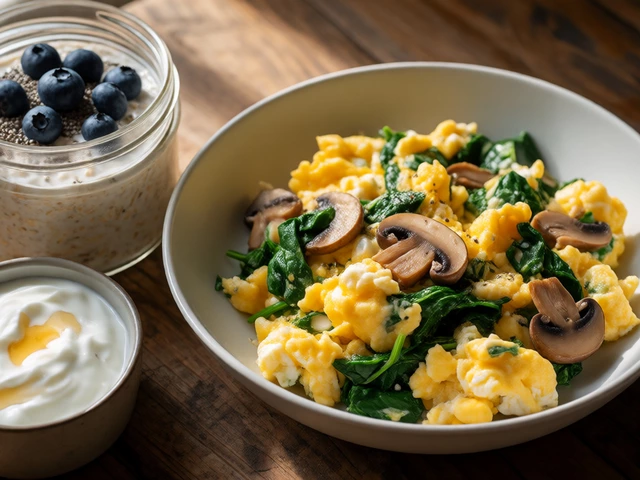
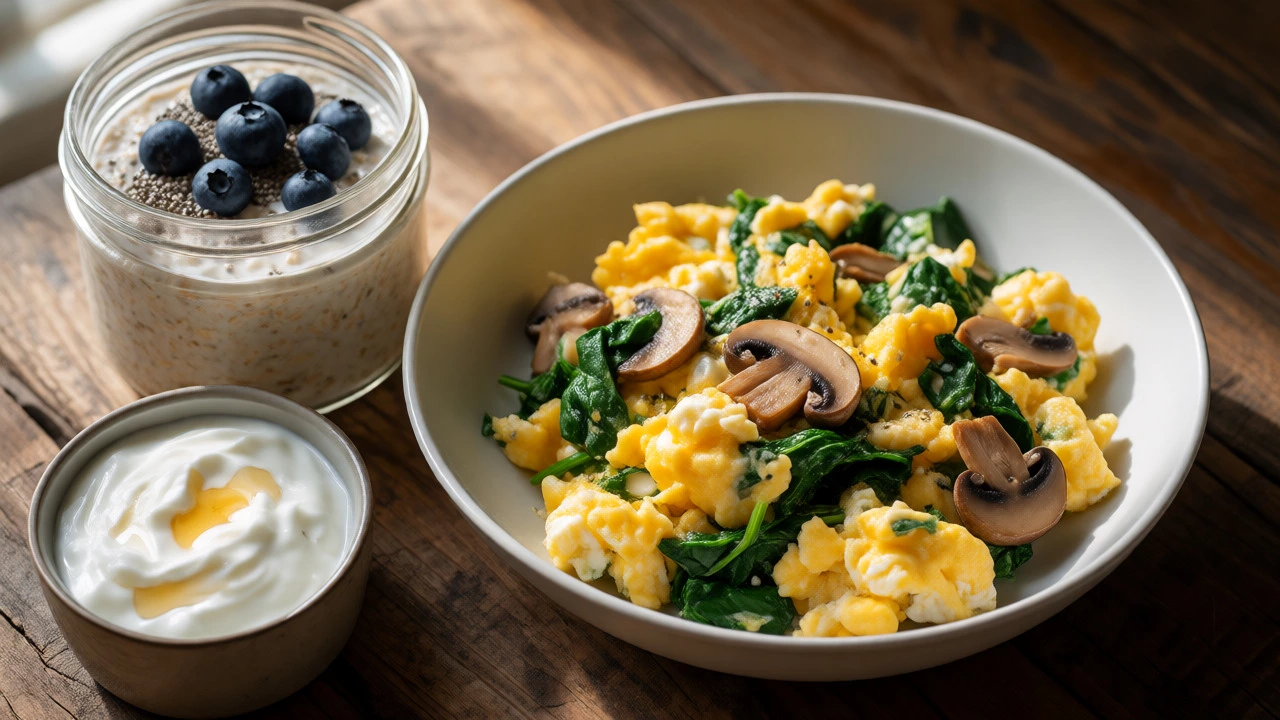
The trick isn’t just eating an egg; it’s pairing it right. Scramble two eggs with spinach and mushrooms. You get volume from the veggies and satisfaction from the yolks. If you’re worried about cholesterol, remember that dietary cholesterol has a minimal impact on blood cholesterol for most people. The real enemy is the bacon you might pair it with, not the egg itself.
Oats: Fiber That Lasts
Not all carbs are created equal. White bread turns to sugar in your bloodstream almost instantly, leading to an insulin spike and then a hunger crash. Oats, specifically steel-cut or rolled oats, digest slowly. They contain beta-glucan, a type of soluble fiber that forms a gel-like substance in your gut. This slows down digestion and keeps you feeling full for hours.
A bowl of oatmeal takes effort to make properly, which is a good thing. Slow cooking means you’re engaging with your food rather than inhaling it standing up. Top it with berries instead of brown sugar. You’ll get natural sweetness and antioxidants without the caloric load. If you’re short on time, overnight oats are a game-changer. Mix oats, chia seeds, and milk in a jar before bed. By morning, you have a thick, pudding-like breakfast that requires zero cooking.
Fatty Fish: Omega-3s and Satiety
Salmon, mackerel, sardines, and trout aren’t just heart-healthy; they’re incredible for waistlines. Fatty fish provides high-quality protein and omega-3 fatty acids. Protein reduces your levels of the hunger hormone ghrelin and boosts peptide YY, a hormone that makes you feel full. In one study, participants who ate salmon five days a week experienced significant improvements in metabolism and appetite control.
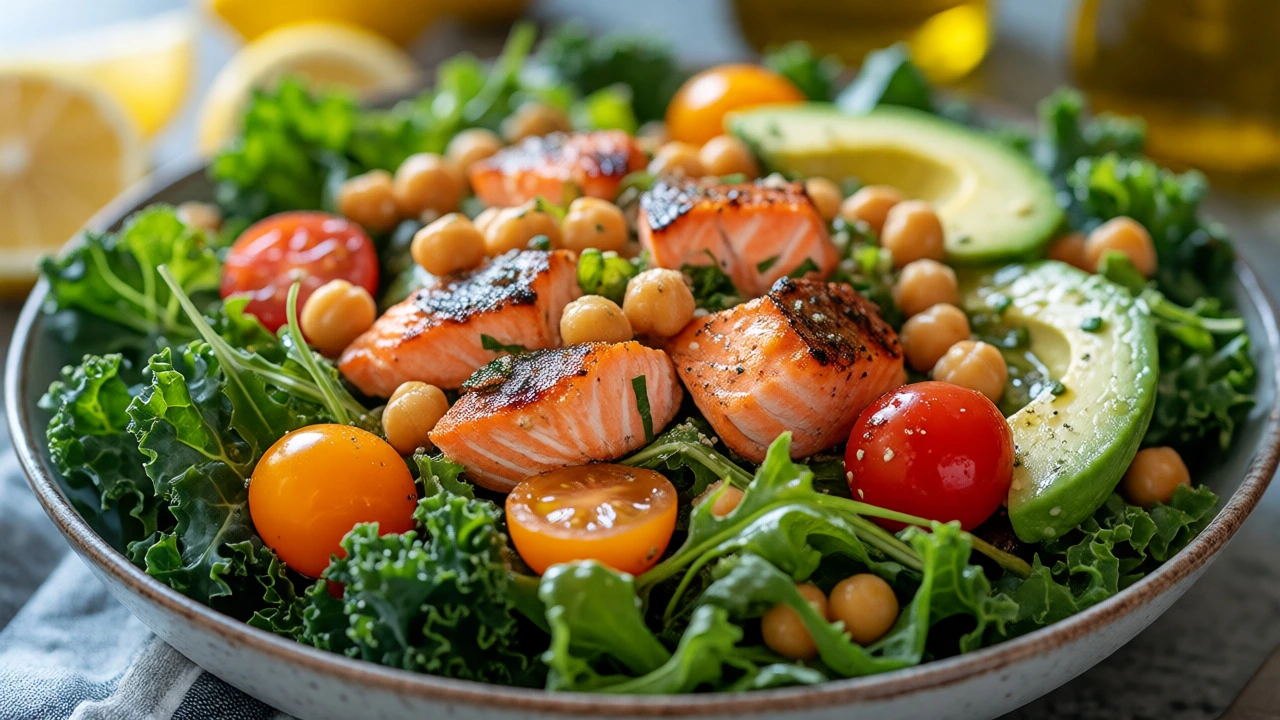
Canned tuna or sardines are cheap and convenient options if fresh fish is too expensive. Toss canned sardines over a green salad with olive oil and lemon juice. It’s a complete meal in five minutes. The key here is avoiding heavy cream sauces or deep-frying, which adds hundreds of empty calories back onto the plate.
Legumes: Beans, Lentils, and Chickpeas
If you want to save money and lose weight simultaneously, legumes are your best friend. Beans, lentils, and chickpeas are loaded with plant-based protein and fiber. A cup of cooked lentils has about 230 calories but delivers 18 grams of protein and 15 grams of fiber. That combination is hard to beat.
Many people avoid beans because of gas, but this is usually a sign you need to introduce them gradually or rinse canned beans thoroughly. Soaking dried beans also helps reduce compounds that cause digestive upset. Hummus made from chickpeas is a great snack when paired with raw vegetables instead of crackers. Lentil soup is another winner-it’s warm, filling, and freezes well for meal prep.
Greek Yogurt: Probiotics and Protein
Regular yogurt can be loaded with added sugars, turning a healthy snack into a dessert. Greek yogurt, however, is strained to remove whey, resulting in a thicker texture and double the protein content. One cup of plain non-fat Greek yogurt has around 100 calories and 17 grams of protein.
The probiotics in yogurt also contribute to a healthier gut microbiome, which emerging research suggests plays a role in weight management. Stick to plain versions and add your own fruit or a drizzle of honey. Vanilla-flavored yogurts often hide nearly as much sugar as a candy bar. If you’re vegan, look for high-protein alternatives like soy yogurt, but check the label-many coconut-based yogurts lack protein.
Avocados: Healthy Fats for Satisfaction
For years, fat was the villain. Now we know that healthy fats are essential for satiety. Avocados are rich in monounsaturated fats and fiber. Eating half an avocado with a meal can significantly increase feelings of fullness, reducing the urge to snack later.
However, avocados are calorie-dense. Half an avocado has about 120 calories. Portion control matters here. Don’t eat the whole thing by mistake while making guacamole. Add sliced avocado to salads or toast to replace butter or mayo. The creamy texture satisfies cravings for richness without the inflammatory effects of processed oils.
Leafy Greens: Volume Without Calories
Kale, spinach, arugula, and lettuce are nutritional powerhouses with negligible calories. You can eat massive portions of leafy greens without impacting your daily calorie budget significantly. This allows you to physically stretch your stomach, sending signals to your brain that you’ve eaten a substantial amount of food.
The challenge with greens is flavor. Plain boiled kale tastes like punishment. Instead, sauté spinach with garlic and a splash of soy sauce, or massage kale with olive oil and lemon to break down its tough fibers. Use greens as a base for bowls rather than just a side dish. Fill half your plate with them before adding other ingredients. This visual cue tricks your brain into thinking you’re eating a huge meal.
Nuts: Snack Smart, Not Hard
Nuts are energy-dense, meaning a small handful contains many calories. Yet, studies show that people who eat nuts regularly tend to weigh less than those who don’t. Why? Because nuts curb appetite effectively due to their mix of protein, fiber, and healthy fats.
The danger lies in portion size. Eating straight from the bag is a recipe for consuming 500+ calories without realizing it. Pre-portion nuts into small bags or containers. Almonds, walnuts, and pistachios are particularly good choices because shelling pistachios slows you down, giving your brain time to register fullness. Avoid salted and candied varieties, which encourage overeating.
Berries: Sweetness With Structure
When you crave something sweet, reach for berries. Strawberries, blueberries, raspberries, and blackberries are among the lowest-calorie fruits available. A cup of strawberries has only 49 calories, whereas a banana has over 100. Berries are packed with antioxidants and fiber, which slow down sugar absorption.
Raspberries and blackberries have the highest fiber content among common berries. Frozen berries are just as nutritious as fresh ones and often cheaper. Blend frozen berries into smoothies for a thick, ice-cream-like consistency without added sugar. Or top your Greek yogurt with them for a balanced snack that hits both sweet and savory notes.
Cruciferous Vegetables: Broccoli and Cauliflower
Broccoli, cauliflower, Brussels sprouts, and cabbage belong to the cruciferous family. These veggies are incredibly filling due to their high fiber and water content. They also contain compounds like sulforaphane, which may help reduce inflammation associated with obesity.
Cauliflower has become a star substitute for starches. Rice made from riced cauliflower cuts calories dramatically compared to white rice. Roasted broccoli with a little olive oil and parmesan cheese is a crowd-pleaser that doesn’t feel like "diet food." Steam these vegetables lightly to preserve nutrients; boiling them until mushy leaches vitamins into the water.
How to Combine These Foods Effectively
Eating these foods in isolation won’t magically drop pounds. The magic happens when you combine them strategically. Think of your plate as a formula: Protein + Fiber + Healthy Fat = Satisfaction.
- Breakfast: Greek yogurt topped with berries and a sprinkle of nuts.
- Lunch: Large salad with leafy greens, grilled chicken (or tofu), avocado, and chickpeas.
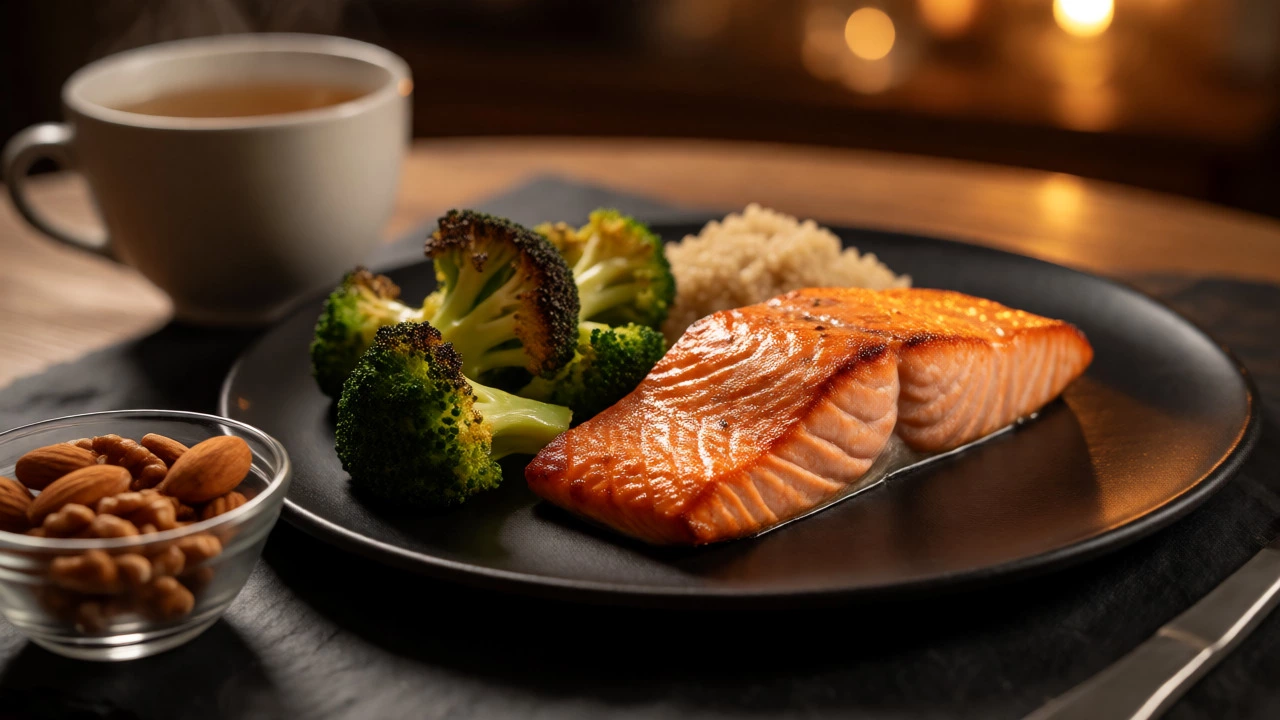
- Dinner: Baked salmon with roasted broccoli and a small portion of quinoa or sweet potato.
- Snack: An apple with a tablespoon of almond butter, or hard-boiled eggs.
This approach ensures you never feel deprived. You’re eating plenty of food, just different types of food. Hydration is also critical. Sometimes thirst masquerades as hunger. Drink a glass of water before meals to aid digestion and potentially reduce intake.
Pitfalls to Avoid
Even with the best foods, you can sabotage progress. First, watch out for "health halos." Just because something says "gluten-free" or "organic" doesn’t mean it’s low-calorie. Granola bars, for example, are often candy disguised as health food. Check labels for added sugars.
Second, don’t neglect liquid calories. Lattes, sodas, and juices add up quickly. Switching to black coffee, tea, or water can save hundreds of calories daily without changing your solid food intake. Finally, consistency beats perfection. Missing one healthy meal doesn’t ruin your week. Get back on track at the next meal.
| Food Item | Calories (per serving) | Protein (g) | Fiber (g) | Key Benefit |
|---|---|---|---|---|
| Large Egg | 78 | 6 | 0 | High satiety index |
| Cooked Lentils (1 cup) | 230 | 18 | 15 | Stabilizes blood sugar |
| Plain Greek Yogurt (1 cup) | 100 | 17 | 0 | Gut health & protein |
| Almonds (1 oz) | 164 | 6 | 3.5 | Heart health & crunch |
| Broccoli (1 cup cooked) | 55 | 4 | 5 | Volume eating |
Frequently Asked Questions
Do I need to cut carbs completely to lose weight?
No, you don’t need to eliminate carbs entirely. Focus on complex carbohydrates like oats, legumes, and vegetables rather than refined sugars and white flour. Complex carbs provide sustained energy and fiber, which helps control appetite better than low-carb diets that rely heavily on fats and proteins alone.
Are nuts really good for weight loss if they are high in calories?
Yes, when consumed in moderation. Nuts are satiating due to their protein, fiber, and healthy fat content, which prevents overeating later. However, portion control is crucial. Stick to a small handful (about 1 ounce) per day to reap the benefits without exceeding your calorie needs.
Can I lose weight by eating only these foods?
While these foods are excellent tools, relying on just ten items can lead to nutritional gaps and boredom. A varied diet ensures you get a wide range of micronutrients. Use these foods as the foundation of your meals, but include other vegetables, fruits, and lean proteins to maintain balance and enjoyment.
Is Greek yogurt better than regular yogurt for weight loss?
Generally, yes. Greek yogurt typically has twice the protein and half the sugar of regular yogurt. Higher protein content increases satiety, helping you stay fuller for longer. Always choose plain versions to avoid hidden sugars found in flavored varieties.
How does fiber help with weight loss?
Fiber adds bulk to your stool and slows down digestion. This process stabilizes blood sugar levels and prolongs the feeling of fullness after meals. Soluble fiber, found in oats and beans, forms a gel in the gut that further delays gastric emptying, reducing overall calorie intake throughout the day.