Diabetic Dessert Sweetness & Impact Calculator
Planning a diabetic-friendly treat? Select a sweetener below to see how it compares to regular sugar in terms of sweetness intensity and blood sugar impact.
Erythritol
Usage Notes:
Near zero GI. Cooling effect. Best for icing/meringues. May crystallize if used alone.
Baking Tip: Since this sweetener is less sweet than sugar, you may need to use more volume or combine with another sweetener for best results.
You love cake. You love ice cream. But every time you reach for a slice of chocolate layer cake, your blood glucose meter screams in protest. It’s a frustrating cycle: craving sweetness, eating it, feeling great for ten minutes, then crashing hard an hour later. The idea of giving up dessert forever feels like a punishment no one signed up for. So, what actually constitutes a diabetic dessert? Is it just sad, cardboard-tasting stevia cubes? Or can it be rich, creamy, and genuinely satisfying without sending your insulin into overdrive?
The short answer is that a diabetic dessert isn’t defined by the absence of joy. It’s defined by how your body processes the ingredients inside it. We’re talking about managing the glycemic load-the total impact a food has on your blood sugar levels. This guide breaks down exactly what makes a dessert "diabetic-friendly," which ingredients actually work, and how to build treats that keep your energy stable.
The Science Behind the Sweetness
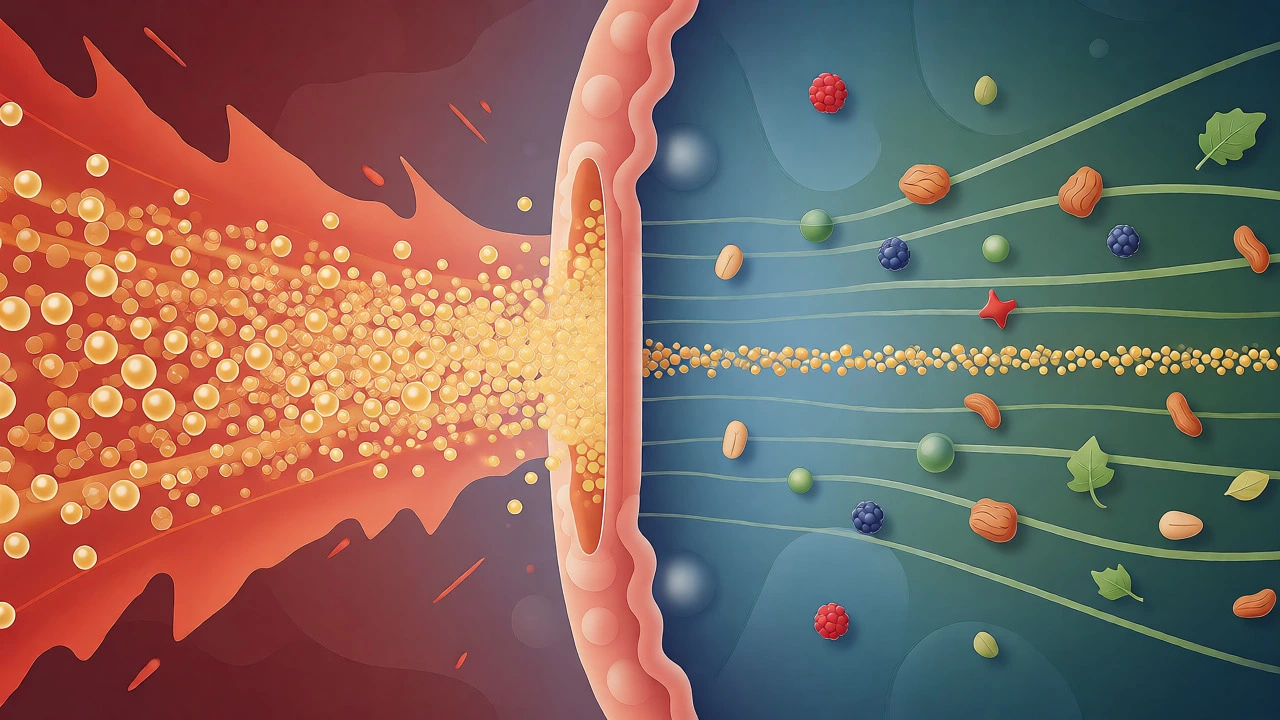
To understand why certain desserts are labeled "diabetic," you have to look at how carbohydrates break down. When you eat regular sugar (sucrose), your body splits it into glucose and fructose almost instantly. Glucose enters the bloodstream rapidly, causing a sharp spike. For someone with insulin resistance or diabetes, this spike is problematic because their body either doesn’t produce enough insulin or ignores the insulin it produces.
A proper diabetic dessert minimizes this rapid influx. It does this through three main mechanisms:
- Low Glycemic Index (GI) Ingredients: Using sweeteners that digest slowly.
- Fiber Content: Adding fiber slows down gastric emptying, meaning sugar hits the bloodstream gradually.
- Fat and Protein Pairing: Including fats (like nut butters) or proteins (like Greek yogurt) blunts the glycemic response.
Think of it like traffic control. Regular sugar is a highway with no speed limits-cars (glucose) zoom into your cells chaotically. A diabetic dessert is like adding toll booths and roundabouts. The cars still arrive, but they do so in an orderly line, preventing congestion.
Key Ingredients That Define Diabetic Desserts
Not all sugar substitutes are created equal. Some cause digestive issues; others taste metallic. Here are the heavy hitters in modern diabetic baking, along with their specific attributes.
| Sweetener | Glycemic Impact | Taste Profile | Best Used For |
|---|---|---|---|
| Erythritol | Near Zero | Cooling effect, clean | Icing, meringues |
| Monk Fruit | Zero | Fruity, very potent | Baking blends, drinks |
| Allulose | Negligible | Caramel-like, browns well | Custards, soft cookies |
| Stevia | Zero | Bitter aftertaste if pure | Small amounts in liquids |
| Coconut Sugar | Moderate (35 GI) | Caramel, earthy | Recipes needing bulk/browning |
Erythritol is currently the gold standard for many home bakers. It’s a sugar alcohol found naturally in fruits, but commercial versions are fermented from corn. It provides 70% of the sweetness of sugar with zero calories and zero impact on blood glucose. The catch? It can feel cool on the tongue and may crystallize if used alone in large quantities. Mixing it with Monk Fruit, a extract from a gourd native to Southeast Asia, creates a blend that mimics sucrose more closely while eliminating the cooling sensation.
Another rising star is Allulose. Unlike erythritol, allulose browns and caramelizes just like real sugar. This makes it incredible for pecan pies or crème brûlée where you want that toasted flavor. However, it is only 70% as sweet as sugar, so you need to use more volume. Note that high doses can cause bloating in sensitive individuals, so start small.
Beyond Sweeteners: Structural Changes
If you simply swap white sugar for erythritol in a traditional cupcake recipe, you might end up with a dry, crumbly mess. Sugar isn’t just there for sweetness; it provides moisture and structure. Removing it changes the chemistry.
Diabetic desserts often rely on alternative flours to add nutrition and lower the carb count. Almond flour and coconut flour are popular choices. Almond flour adds protein and healthy fats, which helps stabilize blood sugar. Coconut flour is incredibly absorbent, so you must increase liquid content significantly when using it. A common rule of thumb: substitute 1 cup of wheat flour with 1/4 to 1/3 cup of coconut flour, and add extra eggs or milk.
Another trick is using unsweetened applesauce or mashed bananas. These add natural sweetness and moisture. While they contain fructose, the fiber in the fruit moderates the absorption rate compared to isolated fruit juice. Just be mindful of portion sizes-a whole banana has about 27 grams of carbs, which is significant if you’re counting strictly.
Top Categories of Diabetic Desserts
Once you understand the ingredients, you can categorize diabetic desserts by their texture and preparation method. This helps you choose what to make based on your craving.
Chocolate Lovers’ Haven
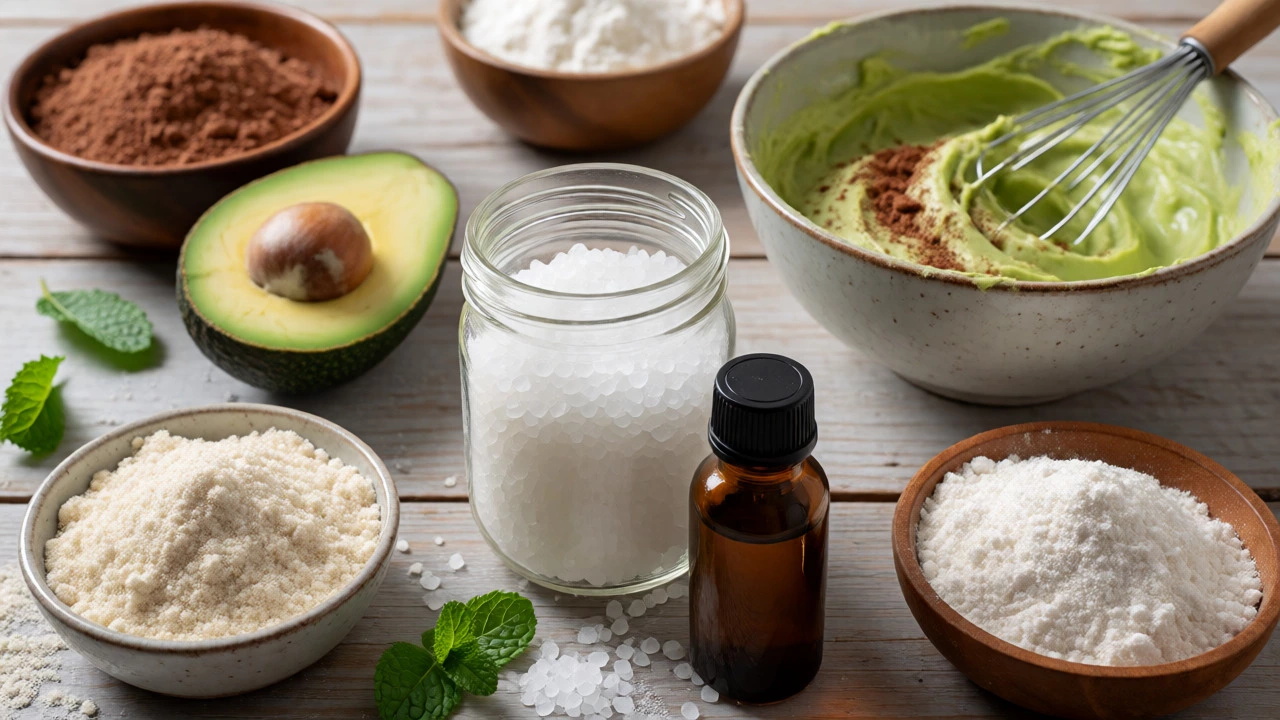
Dark chocolate is surprisingly diabetes-friendly. High-quality dark chocolate (70% cocoa or higher) contains flavonoids that improve insulin sensitivity. A square of 85% dark chocolate has minimal impact on blood sugar. For richer desserts, try avocado mousse. Blending ripe avocados with cocoa powder and a drop of stevia creates a pudding-like texture that is creamy, fatty, and low in net carbs. The fat content ensures you stay full longer.
Fruit-Based Treats
Not all fruit spikes blood sugar equally. Berries are the champions here. Strawberries, blueberries, raspberries, and blackberries have a low glycemic index due to their high fiber and water content. A bowl of mixed berries topped with whipped cream made from heavy cream and vanilla extract is a classic diabetic dessert. It satisfies the sweet tooth without the carb crash.
Grilled peaches or pineapple can also work if you watch the portion. Grilling concentrates the flavors, making smaller portions feel more indulgent. Serve them with a dollop of Greek yogurt for added protein.
Frozen Delights
Ice cream is notoriously difficult for diabetics because it combines sugar and fat, which delays satiety signals. Traditional ice cream can lead to overconsumption. Look for brands that use monk fruit or erythritol, such as Halo Top or Enlightened, though always check the label for added sugars like maltitol, which can still raise blood glucose.
Homemade "nice cream" is another option. Freeze bananas and blend them until smooth. Add cinnamon or cocoa powder for flavor. It’s essentially frozen fruit puree, so it’s healthier than dairy-based ice cream, but still contains natural sugars. Limit yourself to half a cup to keep carbs manageable.
Practical Tips for Baking Success
Baking for diabetes requires a shift in mindset. You aren’t just removing sugar; you’re balancing macronutrients. Here are some actionable tips to avoid common pitfalls.
- Read Labels for Hidden Carbs: Many "sugar-free" products replace sugar with starches or maltodextrin, which have a high glycemic index. If the ingredient list includes maltodextrin, think twice.
- Test Your Blood Sugar: Everyone reacts differently. Eat a small portion of a new dessert and test your blood glucose two hours later. This data is more valuable than any generic chart.
- Pair with Protein or Fat: Never eat a carb-heavy dessert alone. Have a handful of almonds or a piece of cheese alongside it. This slows digestion and flattens the glucose curve.
- Watch Portion Sizes: Even low-carb desserts have calories. Overeating almond flour brownies can still lead to weight gain, which worsens insulin resistance.
One frequent mistake is assuming "natural" means "safe." Honey and maple syrup are natural, but they are concentrated sources of fructose and glucose. They raise blood sugar nearly as fast as table sugar. Reserve these for occasional treats in tiny amounts, not as daily staples.
Sample Menu Ideas
Need inspiration? Here are three simple concepts that illustrate the principles above.
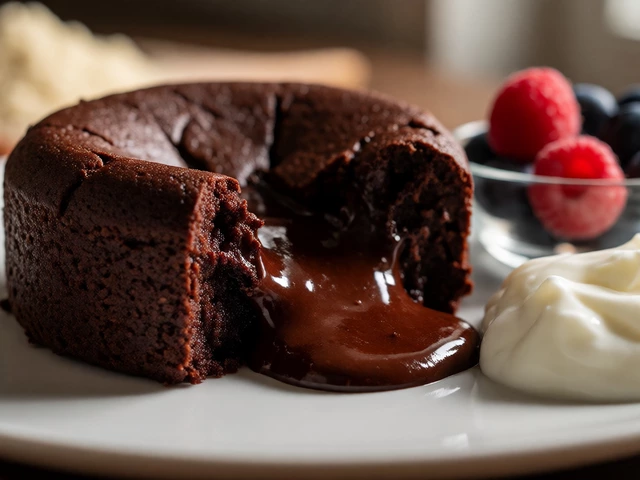
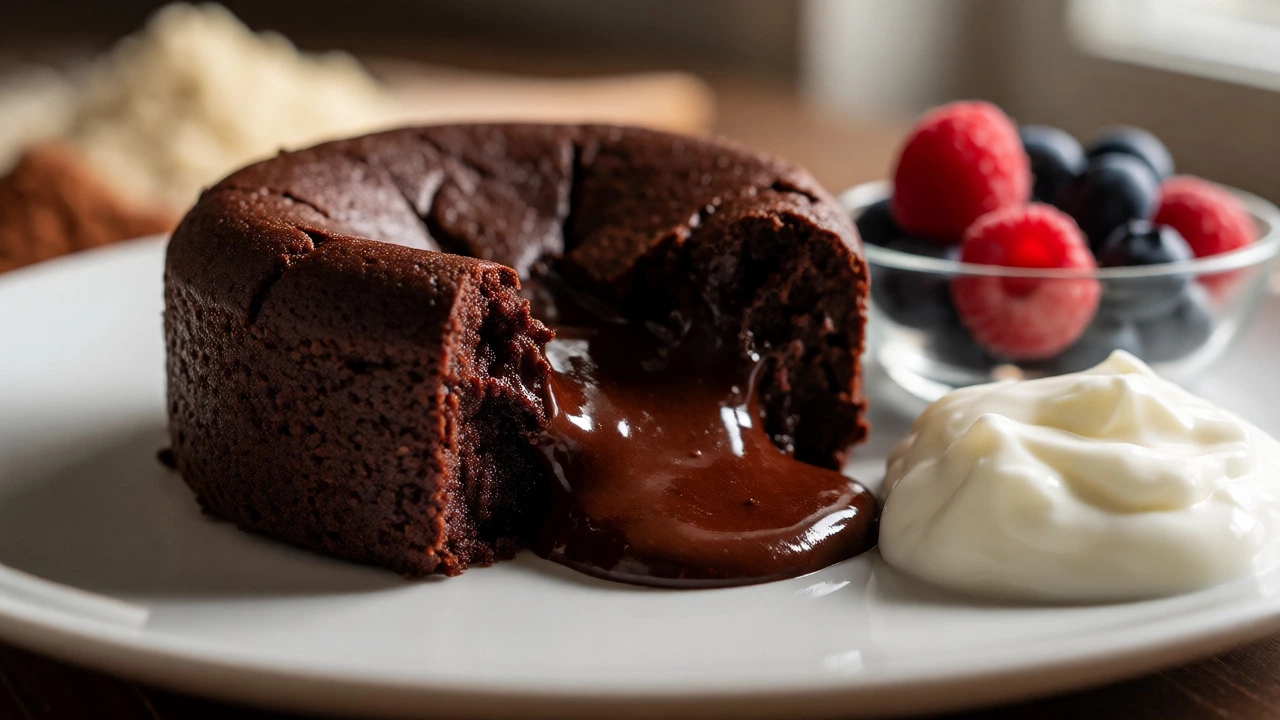
Keto Chocolate Lava Cakes: Made with almond flour, cocoa powder, eggs, butter, and erythritol. These take 15 minutes to bake. The result is a moist, fudgy center with less than 3g of net carbs per serving.
Greek Yogurt Parfait: Layer plain Greek yogurt with chia seeds and fresh raspberries. Let it sit overnight in the fridge. The chia seeds expand, creating a pudding-like consistency. Chia seeds are packed with omega-3s and fiber, making this a heart-healthy choice.
Cinnamon Roasted Nuts: Toss walnuts or pecans with egg white, cinnamon, and a sprinkle of stevia. Bake until crisp. These satisfy the crunch craving and provide healthy fats. Store them in an airtight container for a week-long supply of portable treats.
Common Myths Debunked
There is a lot of misinformation out there. Let’s clear up a few things.
Myth 1: Diabetics can never eat fruit. False. Whole fruits are excellent. Avoid fruit juices and dried fruits, which concentrate sugar and remove fiber.
Myth 2: Artificial sweeteners cause cancer. Decades of research have failed to prove a link between approved sweeteners like aspartame, saccharin, or sucralose and cancer in humans. The FDA and European Food Safety Authority consider them safe within acceptable daily intake levels.
Myth 3: All sugar alcohols are harmless. Not true. Sorbitol and xylitol can cause significant gas and diarrhea if consumed in excess. Erythritol is generally better tolerated, but individual sensitivity varies.
Ultimately, a diabetic dessert is about empowerment. It’s about knowing your body, choosing ingredients wisely, and enjoying life’s sweetness without the subsequent crash. Start small, experiment with different sweeteners, and track how you feel. Your palate will adjust, and you’ll find that you don’t miss the refined sugar as much as you thought you would.
Can I eat regular sugar if I take insulin?
Yes, but timing and dosage matter. If you administer bolus insulin correctly based on carbohydrate counting, you can enjoy regular sugar. However, relying on diabetic-friendly alternatives reduces the burden on your pancreas and improves long-term health markers.
Is honey better than sugar for diabetics?
Honey has a slightly lower glycemic index than table sugar and contains antioxidants, but it is still high in calories and carbohydrates. It should be treated as a condiment, not a free-for-all sweetener. Use it sparingly.
What is the best sweetener for baking cakes?
A blend of erythritol and monk fruit is often considered the best for cakes because it measures 1:1 like sugar and lacks the bitter aftertaste of pure stevia. It also prevents the dryness associated with other substitutes.
Do artificial sweeteners affect gut health?
Some studies suggest that certain artificial sweeteners may alter gut microbiome composition, potentially affecting glucose tolerance. Natural non-nutritive sweeteners like stevia and monk fruit appear to have less impact on gut bacteria than synthetic options like aspartame.
Are keto desserts automatically diabetic-friendly?
Generally, yes, because keto diets restrict carbs heavily. However, some keto products use high-calorie fats and nuts that can contribute to weight gain if eaten in excess. Always check labels for hidden carbs and focus on nutrient-dense ingredients.