Weight Loss Dinner Planner
Design your optimal evening meal. Select your priorities and portion sizes. This tool helps you balance calories with volume to ensure you stay in a caloric deficit without feeling hungry overnight.
Adjust Lean Protein (Palms)
Adjust Veggies/Fiber (Fists)
The Truth About "Best" Dinners for Weight Loss
You might think there is a single magical plate you can eat every night that melts away fat instantly. That is not how human biology works. There is no magic broccoli or chicken breast that burns calories while you sleep. The reality is simpler but requires more discipline. The best dinner for weight loss is simply one that keeps you satisfied, provides essential fuel, and fits within your daily calorie limit. When you understand volume and nutrient density, you stop fighting hunger and start supporting your metabolism.
Weight Loss Dinner is a meal designed specifically to support a caloric deficit while maintaining satiety. This means you are eating fewer calories than you burn, but you feel full enough that you do not crave snacks at midnight. A successful evening meal balances protein, fiber, and healthy fats. If you skip these elements, you will wake up hungry tomorrow, which often leads to overeating at lunch. Your goal is stability throughout the day, not starvation before bed.
Understanding the Caloric Deficit Principle
Before you chop vegetables or grill meat, you need to understand the engine of weight loss. It comes down to energy balance. Your body needs a certain amount of energy to breathe, move, and digest food. This is your Basal Metabolic Rate (BMR). When you eat less than your BMR plus activity level, your body taps into stored reserves. Those reserves are body fat.
Many people struggle because they underestimate their intake. A salad sounds light, but add two scoops of creamy dressing and croutons, and suddenly it hits 800 calories. The trick is choosing foods with high volume but lower energy density. You want to fill your stomach physically without overflowing your calorie budget. Water-rich foods like cucumbers and tomatoes help here. They take up space in your digestive tract so you feel full faster.
Aim for a consistent deficit. Drastic cuts lead to metabolic adaptation. Your body slows down to conserve energy, making weight loss harder later. Instead, aim for a modest reduction from your maintenance calories. A difference of 300 to 500 calories per day is sustainable. Over time, that small gap adds up to significant changes without ruining your quality of life.
Core Nutrients That Fight Hunger
If calories were the only factor, drinking plain water would be the fastest way to lose weight. But survival requires more. You need nutrients to prevent fatigue, preserve muscle mass, and keep hormones balanced. Certain macronutrients play a bigger role in keeping you full than others.
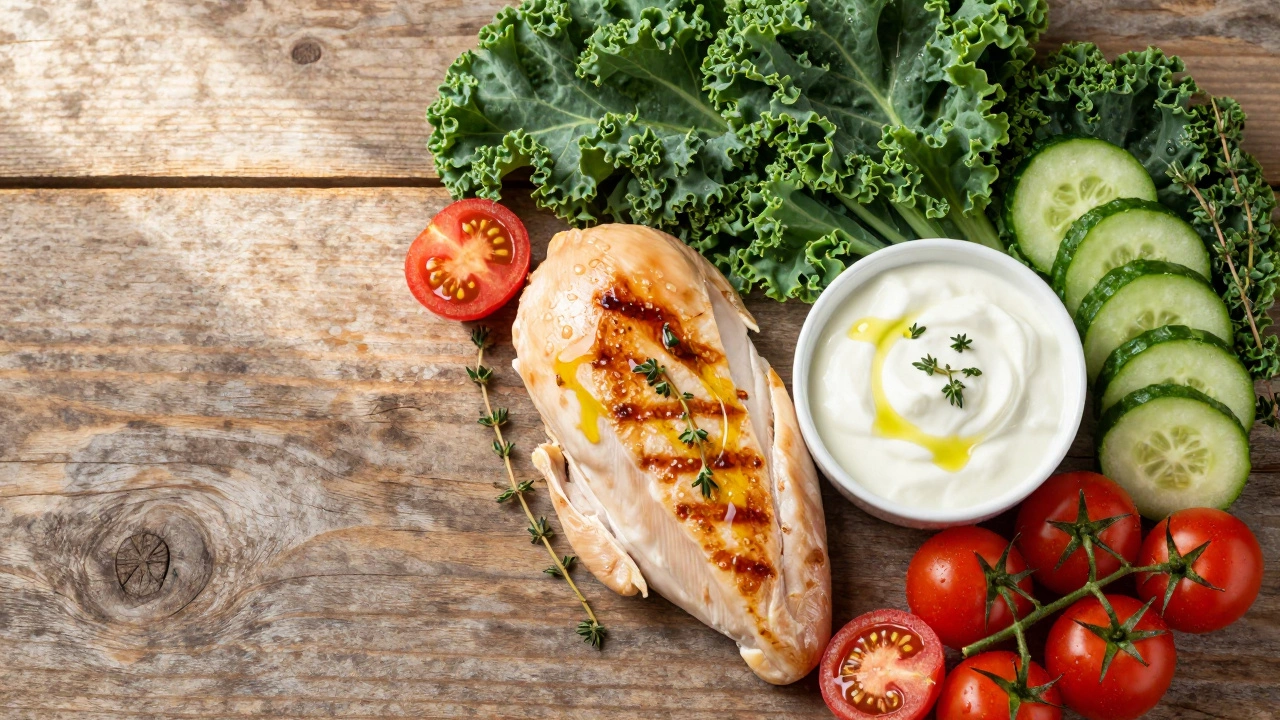
Lean Protein serves as the foundation of a satiating dinner. Protein has a higher thermic effect compared to fats or carbohydrates. Your body burns more calories digesting it. More importantly, protein signals hormones like PYY and GLP-1 that tell your brain you are full. One study showed that increasing protein intake led to spontaneous reductions in daily calorie consumption by nearly 400 calories. Chicken breast, white fish, tofu, and Greek yogurt are excellent sources. Aim for at least 20 to 30 grams of protein in your evening meal to blunt hunger overnight.
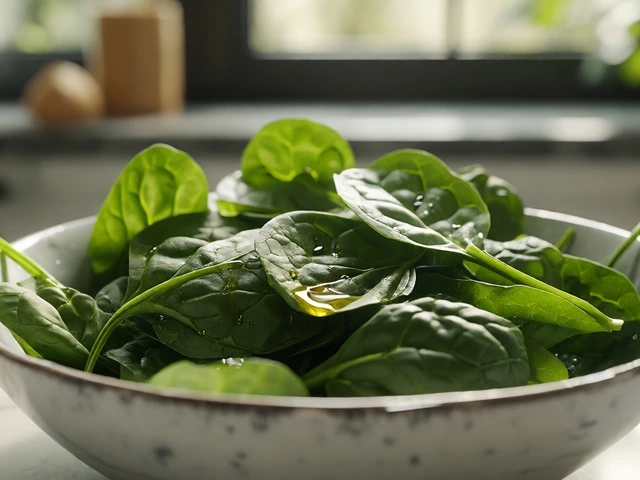
Fiber is the other critical player. Soluble fiber forms a gel-like substance in the gut. It slows digestion. This prevents blood sugar spikes and crashes that trigger cravings. Vegetables are your best bet. A large portion of leafy greens, broccoli, or cauliflower adds zero cost to your calorie count but massive volume to your bowl. If you feel bloated, increase fiber slowly. Sudden jumps can cause discomfort.
Do not fear healthy fats entirely. Small amounts help absorb vitamins A, D, E, and K. Avocado or olive oil drizzled on greens provides satiety. Just measure them. Liquid calories in the form of dressings and oils are the easiest way to ruin a diet plan. A teaspoon is roughly 40 calories. Measure twice, guess never.
Top Dinner Options for Fat Loss
Selecting specific dishes matters. Some combinations work better for hunger management than others. Below is a breakdown of three proven meal styles. You should rotate these to avoid boredom.
| Meal Type | Key Benefit | Approximate Calories | Prep Time |
|---|---|---|---|
| High-Volume Salad Bowl | Extreme Satiety via Water/Fiber | 350-450 kcal | 10 mins |
| Grilled Chicken Stir-Fry | High Thermic Effect (Protein) | 400-500 kcal | 20 mins |
| Baked Fish & Veggies | Lowest Digestive Load | 300-400 kcal | 25 mins |
The High-Volume Salad Bowl
This option focuses on the "volumetrics" principle. Start with 3 cups of mixed greens. Add a cup of chopped cucumber, bell peppers, and cherry tomatoes. For protein, top with half a cup of chickpeas or 4 ounces of grilled turkey. The dressing is the dealbreaker. Whisk lemon juice with Dijon mustard and a single tablespoon of vinegar. Keep olive oil minimal. This meal fills your stomach with bulk but stays under 400 calories. It resets your appetite for the next morning.
The Grilled Chicken Stir-Fry
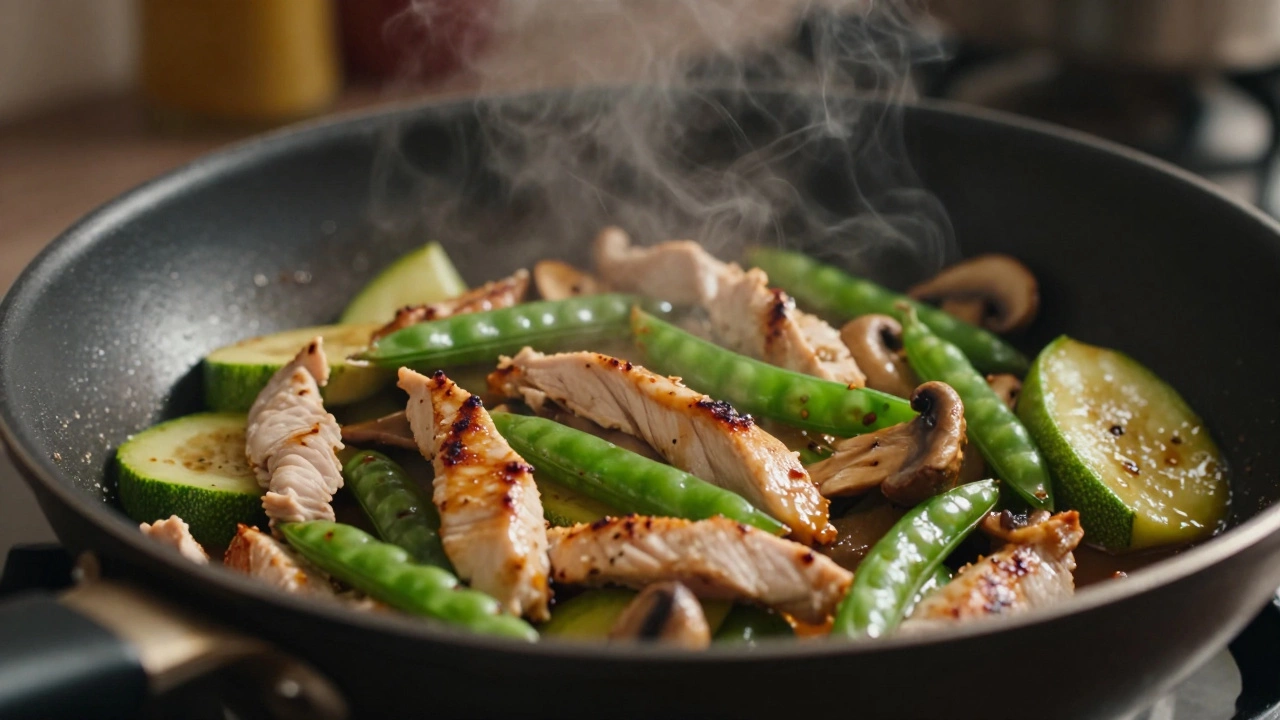
Cooking style changes everything. Fried food traps oil; stir-frying uses minimal liquid fat. Slice boneless skinless chicken breast into thin strips. Toss with low-sodium soy sauce and ginger powder. Use a non-stick pan. Spray with cooking oil spray instead of pouring oil. Fill the rest of the pan with zucchini, snap peas, and mushrooms. Serve over cauliflower rice rather than white rice. This keeps the carb load low while providing crunch and texture.
Baked Salmon with Asparagus
Fatty fish contains Omega-3s which reduce inflammation. Inflammation can sometimes hinder weight loss progress due to insulin resistance issues. Place a fillet on foil. Season with lemon slices and herbs. Wrap tightly and bake at 400 degrees until flaky. Side it with steamed asparagus spears. The smell alone helps you feel satisfied quickly.
The Power of Portion Control
Even healthy foods become obstacles if you overeat them. Avocados are nutritious but packed with calories. Nuts are great snacks but easy to binge. You need visual cues to gauge serving sizes without counting every gram constantly.
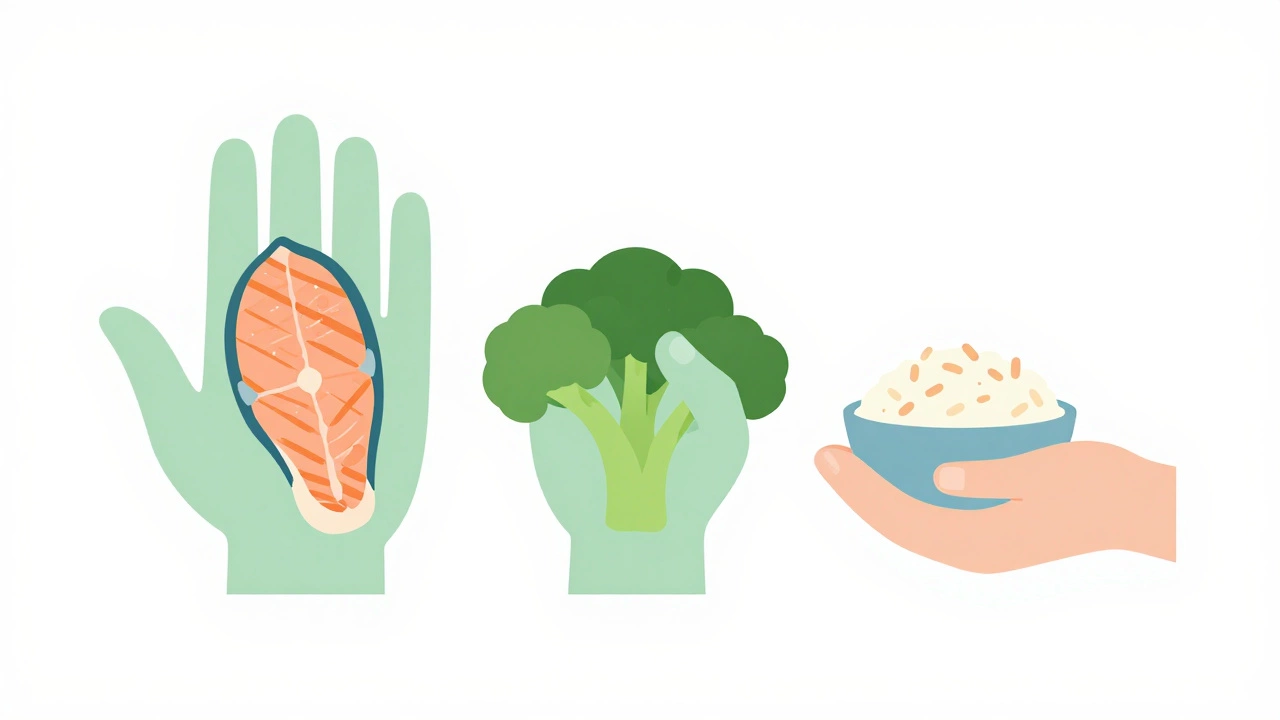
Portion Control is the regulation of food quantities consumed using visual guides. Use your hand as a ruler. A palm-sized portion equals about 3 to 4 ounces of protein. A fist-sized portion represents your vegetables. A cupped hand shows you how much starch or healthy fat you need. This method adapts to your body size naturally. A larger person might need two palms, while a smaller person sticks to one.
Keep a standard plate size. Using oversized dinnerware tricks your eye into thinking less food is present. Switch to smaller plates to make portions look larger visually. This psychological trick reduces the impulse to second-serve.
Strategies for Evening Success
The timing of your last meal influences sleep quality, which dictates hormonal balance. Poor sleep increases ghrelin (the hunger hormone) the next day. Try to finish eating 3 hours before bed. This allows your digestion to slow down. Eating heavy meals right before sleep raises your core body temperature, interfering with deep rest cycles.
Hydration plays a surprising role. Thirst signals often mimic hunger signals in the brain. Before reaching for seconds, drink a large glass of water. Wait ten minutes. Often the hunger pangs vanish.
Finally, consistency beats perfection. Missing one meal does not ruin your week. Missing the plan for three weeks straight halts progress. If you slip up, simply resume your plan at the very next meal. Do not wait until Monday to "start over."
Common Pitfalls to Avoid
People fail when they ignore hidden calories. A packet of ranch dressing can equal a whole slice of bread. Always read labels. Look for "serving size" discrepancies. Many packages claim to be low-calorie but serve two tablespoons while you pour six.
Flavor is often sacrificed for health goals, leading to abandonment. Use spices liberally. Garlic powder, cumin, paprika, and chili flakes add zest without calories. Do not rely solely on salt. Too much sodium causes water retention, masking fat loss on the scale. Rinse canned beans and veggies to remove excess sodium brine.
Another issue is relying on "diet" versions of junk food. Low-fat cookies still have sugar. Your body reacts to sugar spikes regardless of fat content. Focus on whole foods where possible. Minimally processed items require more effort to prepare, which acts as a natural barrier against overeating.
Does dinner time matter for weight loss?
Yes, timing affects digestion and sleep quality. Eating earlier in the evening prevents late-night snacking and improves metabolic function during rest hours.
Can I eat carbs after 6 PM?
Carbs are fine as long as total daily calories remain controlled. However, limiting refined carbs at night helps stabilize insulin levels and supports better sleep.
How many calories should my dinner have?
Generally between 350 and 500 calories depending on your gender and activity level. This should constitute roughly one-third of your daily intake.
What is the most filling vegetable for dinner?
Cruciferous vegetables like broccoli, cauliflower, and Brussels sprouts offer the highest volume per calorie ratio due to their fiber content.
Is intermittent fasting necessary for weight loss?
Not strictly necessary. A caloric deficit achieved through portion control and food choice is sufficient for fat loss without time-restricted eating.