Vegan Alcohol Guide & Checker
Check Your Drink
Ready to Scan
Select a beverage type and any known additives to see if it fits a vegan lifestyle.
Picture this: You’ve spent the evening cooking a meticulously planned vegan dinner. Every ingredient has been checked, every label scrutinized. Then comes dessert, or perhaps just a glass of wine to unwind. You pick up a bottle that looks perfect, only to find out later it was filtered using isinglass-dried swim bladders from fish. It’s a frustrating moment that many plant-based eaters face. The assumption is simple: if no meat or dairy is in the recipe, it must be vegan. But in the world of fermentation and distillation, "clean" doesn’t always mean "cruelty-free."
The good news? Most alcohol is technically vegan-friendly by default. However, the processing methods used to clarify and polish these drinks often rely on animal products. Understanding which alcohols are safe isn’t about fear; it’s about making informed choices that align with your values. Whether you’re heading to a bar, browsing a liquor store, or stocking your home bar, knowing what to look for changes everything.
Why Isn’t All Alcohol Vegan?
To understand why some booze isn’t vegan, you have to look at how it’s made. Fermentation itself is pretty straightforward: yeast eats sugar and produces alcohol. That process is naturally vegan. The problem arises during the finishing stages, specifically clarification. Many producers want their wine, beer, or cider to look crystal clear and bright. To achieve this, they use a process called fining.
Fining involves adding substances to the liquid that bind with suspended particles like proteins, tannins, and yeast cells. These clumps then sink to the bottom, leaving the liquid above clear. Historically, and still commonly today, these fining agents come from animals. Here are the usual suspects:
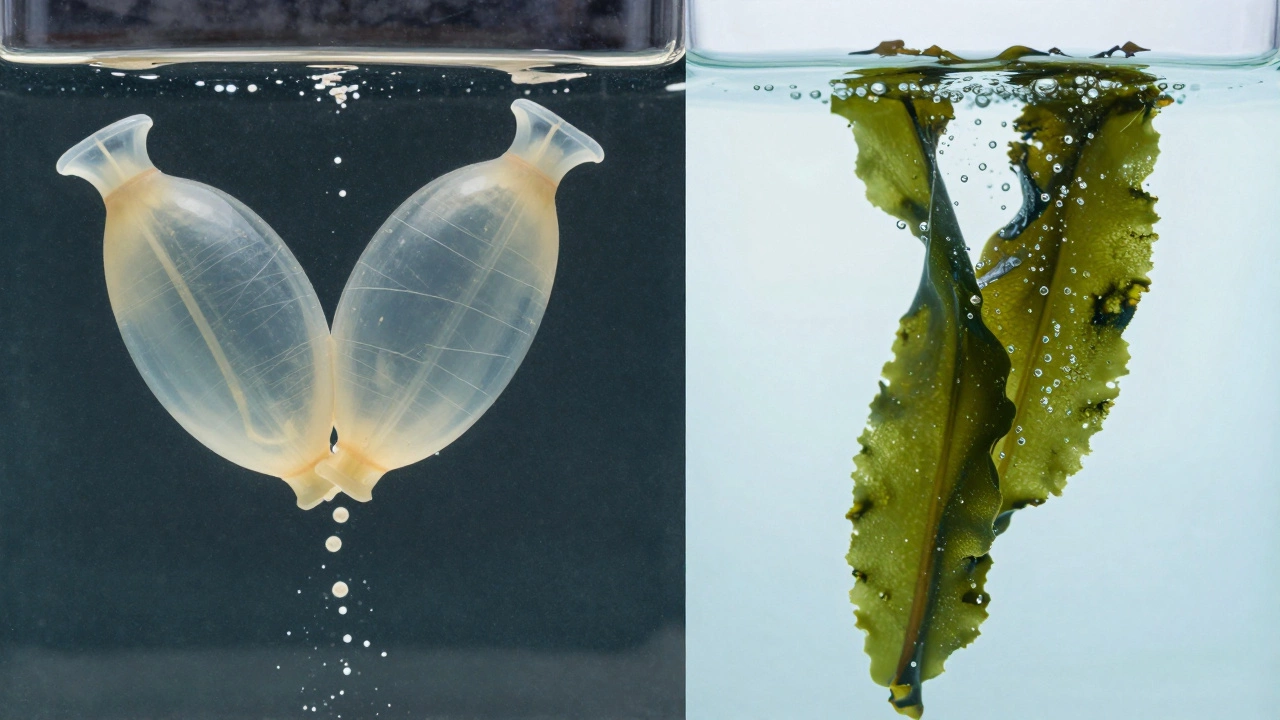
- Isinglass: Derived from dried swim bladders of fish. This is the most common non-vegan agent in red wines and British ales.
- Casein: A milk protein used primarily in white wines and rosés to soften acidity.
- Egg Whites (Albumen): Often used in red wines to smooth out tannins. While not as severe as fish bladders, it’s still an animal product.
- Gelatin: Made from collagen found in animal skin and bones. Used in both wine and beer.
- Chitosan: Extracted from the shells of crustaceans like shrimp and crabs. Common in modern winemaking.
Here is the tricky part: these agents are removed after they do their job. You won’t find a piece of fish bladder in your glass. However, because the product came into contact with animal derivatives during production, strict vegans avoid them. Additionally, some distilleries use bone char (activated carbon from animal bones) to filter spirits, particularly vodka and rum, though this is less common than fining in wine.
Which Spirits Are Safe?
If you are looking for the easiest path to a vegan-friendly night out, hard spirits are generally your best bet. Distillation is a purification process that separates alcohol from the mash based on boiling points. This high-heat process effectively leaves behind almost all impurities, including any potential animal-based filters used earlier in the process. Consequently, most distilled spirits are considered vegan unless they have added flavors or colorings derived from animals.
| Spirit Type | Vegan Status | Watch Out For |
|---|---|---|
| Gin | Usually Vegan | Honey liqueurs mixed in cocktails; some botanicals may be processed with animal fats (rare). |
| Vodka | Usually Vegan | Bone char filtration (more common in US brands); flavored vodkas with cream or honey. |
| Rum | Usually Vegan | Caramel coloring (sometimes processed with bone char); honey additives. |
| Tequila & Mezcal | Almost Always Vegan | Very rare exceptions with added flavorings. |
| Whiskey/Bourbon | Usually Vegan | Some cheaper brands may use charcoal filtering involving bone char, but standard charcoal is wood-based. |
| Brandy/Cognac | Usually Vegan | Same risks as wine regarding fining, though distillation usually mitigates this. |
The biggest risk with spirits isn’t the spirit itself, but what gets mixed into it. Cream liqueurs like Baileys contain dairy. Honey meads and certain liqueurs contain honey. When ordering a cocktail, ask about the mixers. A margarita might seem safe, but some recipes use agave syrup mixed with other ingredients, or worse, pre-made mixes containing hidden dairy or egg whites for texture.
Navigating the World of Wine
Wine is where the majority of confusion lies. Because wine is not distilled, the fining agents remain in contact with the liquid for longer periods, and while they are mostly removed, the ethical question remains. Red wines are more likely to use isinglass or gelatin because they have higher tannin levels that need softening. White wines and rosés often use casein or egg whites.
So, how do you know if your Pinot Noir is clean? You have three main strategies.
1. Look for Certification: The simplest method is to look for logos. Organizations like PETA maintain lists of vegan-friendly wines, and many brands now display a "Certified Vegan" logo on the back label. If you see this, you can drink with confidence.
2. Check for "Unfined" or "Unfiltered": Some natural wine producers skip the fining process entirely. They let the wine settle naturally over time. These wines might look slightly cloudy, but they are guaranteed to be free of animal-derived fining agents. Look for terms like "unfined," "unfiltered," or "natural wine" on the label.
3. Use Technology: Apps like Barnivore have become essential tools for vegans. Barnivore is a searchable database that lists thousands of alcoholic beverages and categorizes them as vegan, non-vegan, or unknown. Before buying a bottle, a quick scan can save you from disappointment.
Is Beer Vegan?
Beer presents a similar puzzle to wine. Traditional ales, especially those from the UK and Europe, have a long history of using isinglass for stabilization. Lager beers are typically clearer due to the brewing process and cold storage, so they rarely require animal-based fining agents. However, you cannot assume all lagers are safe without checking.
Craft beer has largely moved away from animal products. Many craft breweries use alternative fining agents like silica gel, bentonite (a clay mineral), or Irish Moss (seaweed). In fact, many craft brewers proudly advertise their beers as "vegan-friendly" because it appeals to the demographic that tends to favor artisanal products.
When in doubt with beer, stick to major macro-lagers (which are heavily filtered mechanically) or craft beers that explicitly state their vegan status. Avoid traditional cask ales unless confirmed otherwise, as these are the most likely to use isinglass.
Alternative Fining Agents: What’s Actually in Your Drink?
If you are curious about what replaces animal products, the industry has several effective, plant-based, or synthetic alternatives. Knowing these names can help you read technical sheets or ask bartenders knowledgeable questions.
- Bentonite: A volcanic clay that binds to proteins. It is odorless and tasteless, making it a favorite for white wines and beers.
- Silica Gel: Used to remove haze-causing particles. It is purely synthetic and very effective.
- Irish Moss: A type of red seaweed. It has been used for centuries to clarify beer by binding to polyphenols.
- PVPP: A synthetic polymer used to remove tannins in red wine. It is chemically inert and vegan.
- Activated Carbon: Usually derived from coconut shells or wood, not bones. Used for decolorizing and deodorizing.
As consumer demand for plant-based products grows, more producers are switching to these alternatives not just for ethical reasons, but because they are often faster and more cost-effective than sourcing animal by-products.
Hidden Non-Vegan Ingredients in Cocktails
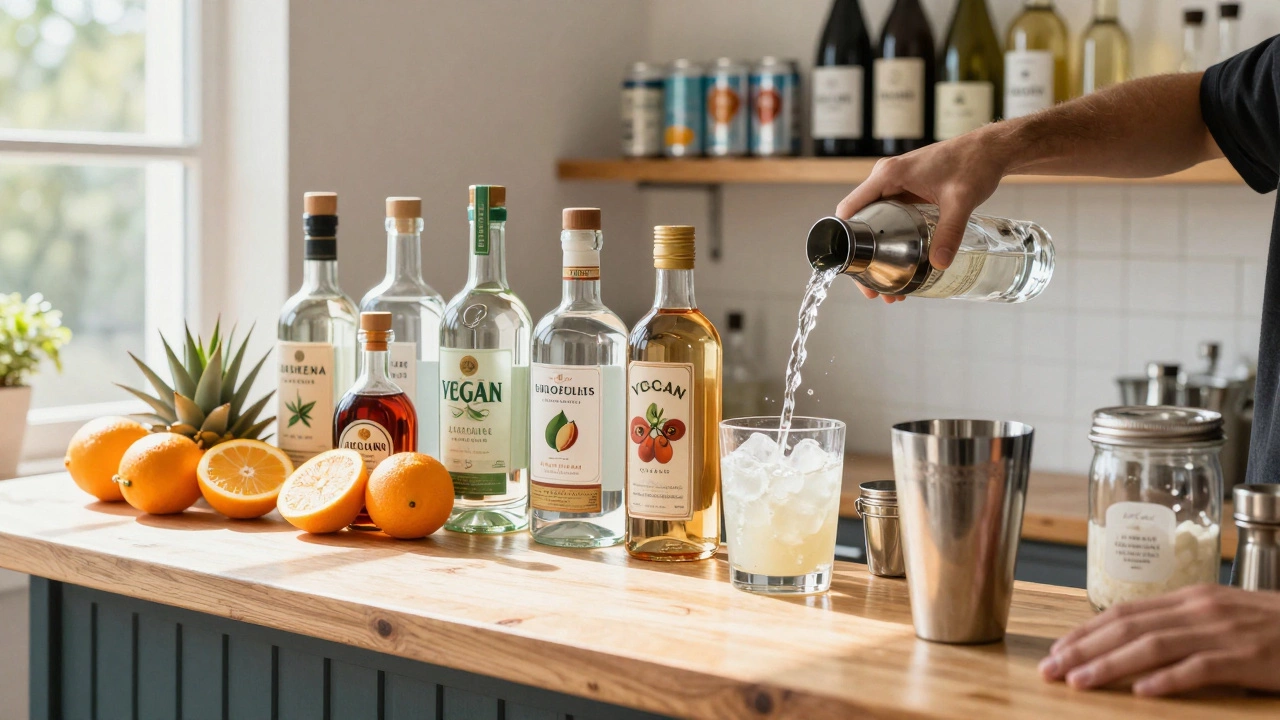
Even if your base spirit is vegan, the cocktail it ends up in might not be. Bars often use garnishes and mixers that fly under the radar. Here is what to watch out for when ordering drinks:
- Egg Whites: Classic cocktails like Whiskey Sours, Ramos Gin Fizzes, and Pisco Sours use raw egg whites to create a frothy texture. Ask for a "dry shake" with aquafaba (chickpea water) as a substitute, which creates a similar foam.
- Honey: Many sweeteners in cocktails are honey-based. Always specify agave nectar or maple syrup if you are unsure.
- Cream: Obvious in drinks like White Russians or Mudslides, but sometimes hidden in coffee liqueurs or dessert-style cocktails.
- Carmine: A red dye made from crushed cochineal insects. It is occasionally used in colored liqueurs or syrups to give a vibrant red hue.
- Dairy Garnishes: Some fancy cocktails are topped with a dusting of cocoa powder mixed with butterfat or served with chocolate shavings that contain milk solids.
Communication is key here. Don’t be afraid to ask your bartender, "Is this drink vegan?" Most modern bartenders are well-versed in dietary restrictions and will appreciate your specificity. If they don’t know, they will check with the bar manager or offer to modify the drink.
How to Build a Vegan Home Bar
Stocking your home bar with vegan-friendly options is easier than you think. Start with the staples that are almost universally safe: Tequila, Gin, and Vodka. From there, expand based on your preferences.
For wine, consider subscribing to a natural wine club that guarantees unfined and unfiltered selections. This removes the guesswork from every purchase. For beer, explore local craft breweries. Visit their websites or call ahead; many small breweries are proud to announce their vegan-friendly practices. Supporting local businesses that align with your values is a win-win.
Finally, keep a few vegan-friendly mixers on hand. Stock agave syrup instead of honey, almond milk or oat milk for creamy cocktails, and fresh citrus juices. By controlling the ingredients at home, you eliminate the anxiety of hidden animal products and ensure every sip matches your lifestyle.
Is champagne vegan?
Champagne can be vegan, but it often isn't. Like other wines, champagne frequently uses isinglass or egg whites for fining. Many large Champagne houses are moving toward vegan-friendly methods, but you must check the specific brand. Look for certifications or use apps like Barnivore to verify. Smaller, natural sparkling wine producers are more likely to offer vegan options.
Does the animal product stay in the alcohol?
No, the animal-derived fining agents are removed during the filtration process. They bind to impurities and sink to the bottom, where they are discarded. However, trace amounts may remain, and the ethical stance of veganism opposes the use of animals in the production process, even if the final product doesn't contain visible animal parts.
Are all craft beers vegan?
Most craft beers are vegan, but not all. While many craft brewers use plant-based fining agents like Irish moss or silica gel, some still use isinglass or gelatin, especially for hazy IPAs or traditional styles. Always check with the brewery or look for vegan certification to be sure.
Can I make my own vegan cocktails?
Absolutely. Making cocktails at home gives you full control over ingredients. Use aquafaba as a substitute for egg whites, agave instead of honey, and plant-based milks for creamy textures. Ensure your base spirits are vegan-certified or known to be safe, and you can enjoy guilt-free drinks.
What is the easiest way to identify vegan alcohol?
The easiest way is to use a dedicated app like Barnivore, which has a vast database of verified vegan and non-vegan alcoholic beverages. Alternatively, look for "Certified Vegan" logos on labels or choose "unfined" and "unfiltered" wines and beers, which bypass animal-based processing steps entirely.