Pasta Water Additive Advisor
Answer a few questions about your cooking situation to find out whether olive oil will help or hurt your dish, and get the best technique for sauce adhesion.
Most home cooks have been told to add a splash of olive oil is a common culinary fat used for sautéing, dressing, and finishing dishes. to the boiling pot when making pasta. The logic seems sound: if you are frying eggs or stir-frying vegetables, oil prevents sticking. So why would it be different for pasta? In reality, adding oil to pasta water does more harm than good. It creates a barrier that prevents your sauce from clinging to the noodles, resulting in a dish where the sauce slides right off. While it might seem like a helpful tip passed down through generations, modern food science suggests you should leave the bottle on the counter and keep the water plain.
The Myth of Sticking Prevention
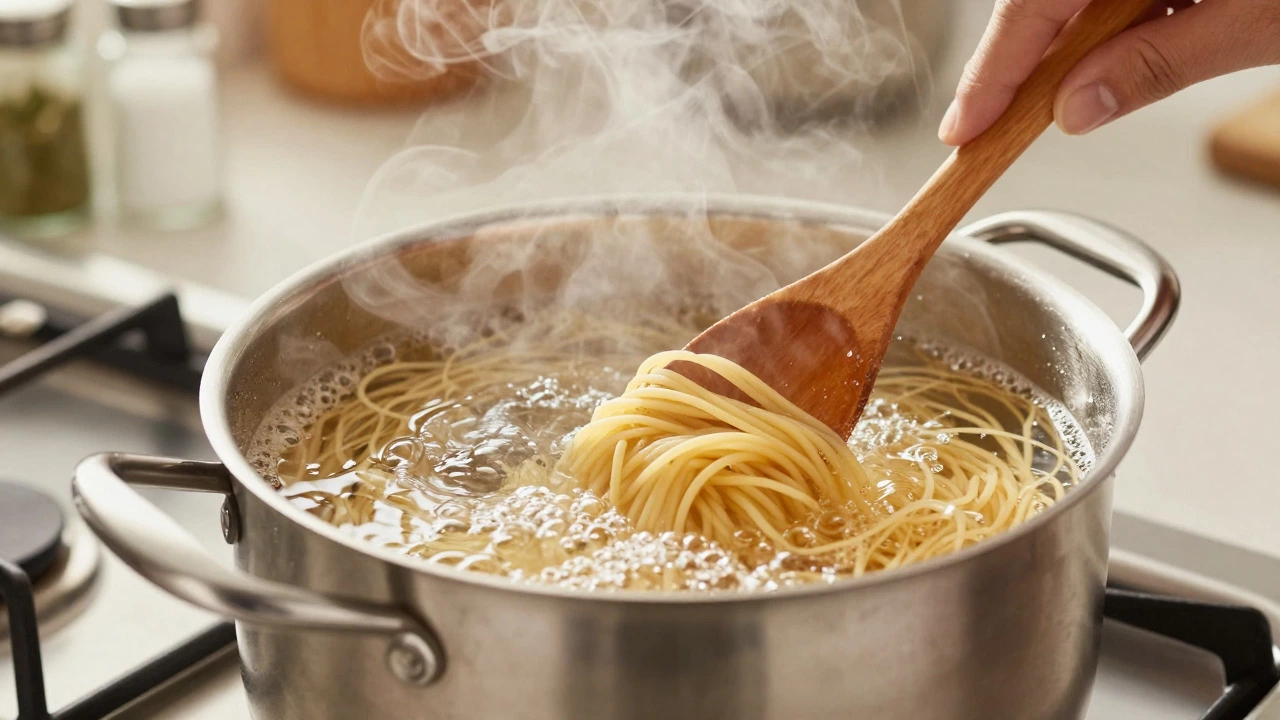
The primary reason people add oil is fear. They worry that their spaghetti will clump together into a sticky mess. However, this problem usually stems from two other factors: not using enough water or not stirring the pasta initially. When you drop dry pasta into boiling water, the surface starches gelatinize quickly. If the water isn't turbulent enough to separate the strands, they stick. A vigorous boil and a quick stir in the first minute solve this issue far better than any amount of oil. The oil floats on top of the water because it is hydrophobic and less dense than water. It doesn't penetrate the noodle; it just sits there, creating a slick layer on the surface of the pot rather than coating the individual strands effectively.
How Oil Ruins Sauce Adhesion
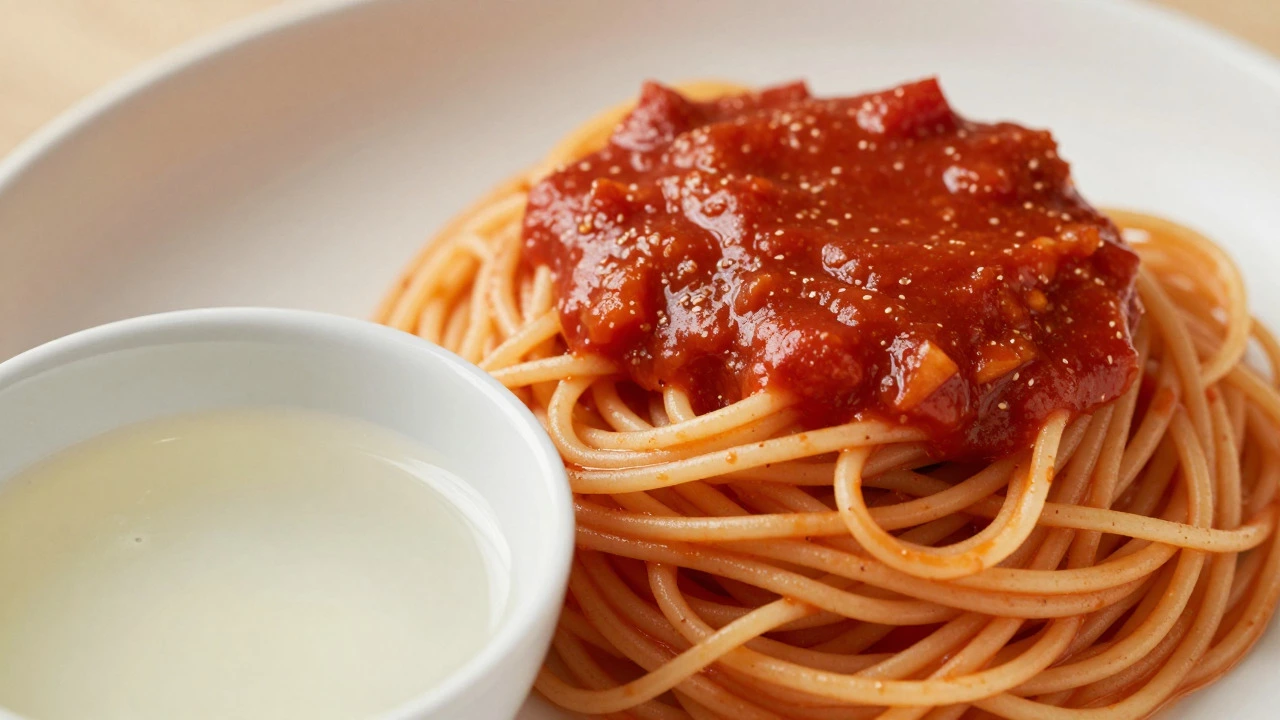
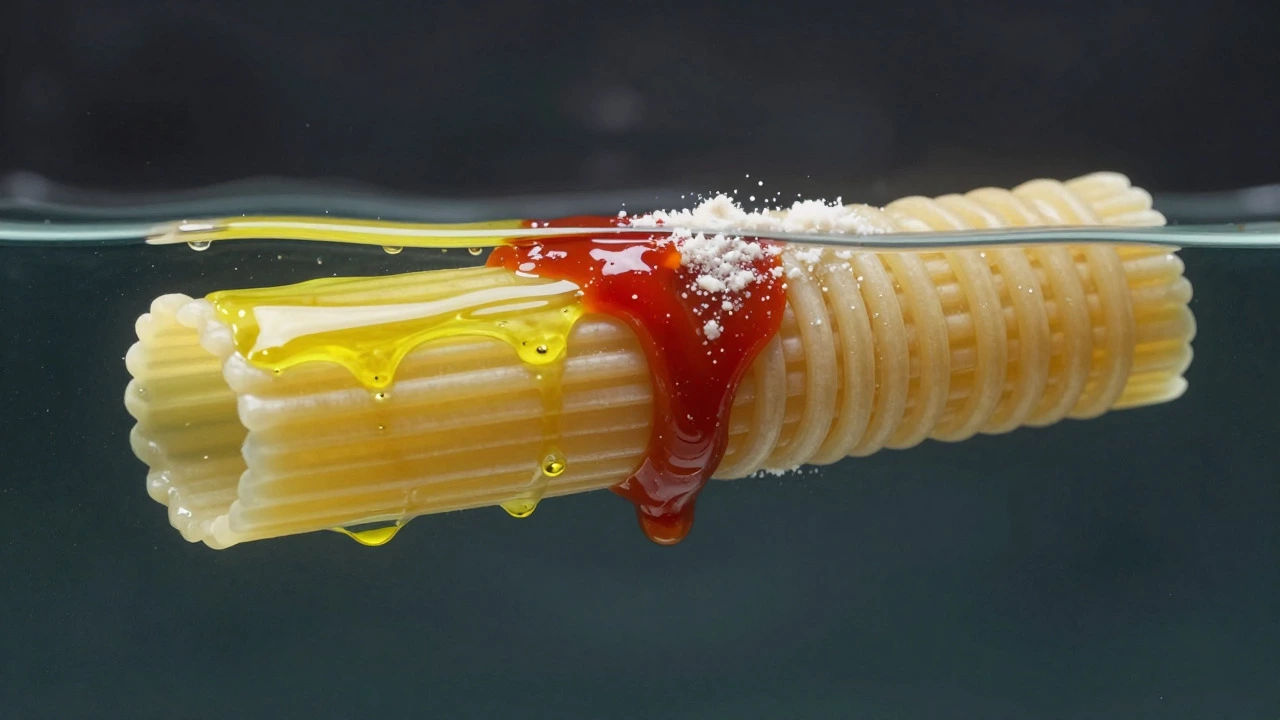
This is the biggest downside. Your goal when serving pasta is to have the sauce coat every strand evenly. To do this, the sauce needs to bond with the starch on the surface of the cooked pasta. This bonding process relies on emulsification. When you toss hot, starchy pasta with a sauce containing fat (like butter or cream) and liquid (like wine or stock), the starch acts as an emulsifier, helping the fat and water mix together smoothly. If you cook the pasta in oily water, the exterior of the noodle becomes coated in a thin film of grease. This hydrophobic layer repels the watery components of most sauces. Instead of absorbing into the noodle, the sauce beads up and slides off. You end up with a pile of greasy noodles at the bottom of the bowl and a pool of separated sauce on the side. It’s a texture nightmare that ruins the mouthfeel of the dish.
The Role of Starch in Cooking Water
You might think that losing some starch by washing the pasta or adding oil is fine, but pasta water is actually one of the most valuable assets in your kitchen. As pasta cooks, it releases amylose and amylopectin into the water. This turns the clear water into a cloudy, starchy liquid often called "pasta liquor." This liquid is essentially free, natural thickener. Chefs use it to bind sauces together. By adding oil to the water, you don't necessarily remove the starch, but you make the final step of mixing the sauce much harder. The oil interferes with the ability of the starch to grab onto the sauce ingredients. Think of it like trying to glue paper to a waxed surface. The glue (sauce) won't stick properly because the surface (oiled pasta) is too slippery. Keeping the water oil-free ensures maximum starch availability for creating a cohesive, creamy sauce without needing extra heavy cream or cheese.
When You Might Actually Use Oil
Does this mean you never use oil with pasta? No. There are specific scenarios where oil plays a role, but rarely in the boiling pot. For example, if you are making a cold pasta salad, you might toss the cooked, drained noodles with a little oil immediately after draining to prevent them from clumping while they cool. Since there is no hot sauce to emulsify with, the risk of sauce separation is lower. Similarly, if you are cooking a very delicate shape like fresh handmade pasta that breaks easily, a tiny drop of oil might help with handling, though gentle stirring is still preferred. Another case is when you are boiling pasta for a long period before using it, such as for a buffet line. In professional kitchens, a small amount of oil might be added to keep large batches from drying out and sticking together during holding. But for a standard home-cooked meal served immediately, these exceptions rarely apply. The direct transfer from pot to pan is the ideal workflow, and oil disrupts that flow.
Better Alternatives to Oil
If you are worried about sticking, try these proven techniques instead of reaching for the olive oil bottle:
- Use plenty of water: The rule of thumb is four quarts of water per pound of pasta. This gives the noodles room to move around and reduces the chance of clumping.
- Stir frequently at the start: Give the pasta a good stir for the first two minutes of cooking. This keeps the starch from setting on the outside and gluing the strands together.
- Salt the water generously: Season the water like the sea. Salt doesn't prevent sticking, but it seasons the pasta from the inside out, which is crucial for flavor. Under-salted pasta tastes bland, which can sometimes be mistaken for a textural issue.
- Reserve some cooking water: Before you drain the pasta, scoop out a cup of the starchy water. Keep it nearby. If your sauce looks too thick or isn't clinging well, add a splash of this water while tossing. It will instantly loosen the sauce and help it coat the noodles perfectly.
Comparing Cooking Methods
To visualize the difference, let's look at how different additives affect the final dish. Here is a comparison of three common approaches to boiling pasta:
| Additive | Effect on Sticking | Effect on Sauce Adhesion | Flavor Impact |
|---|---|---|---|
| None (Plain Water) | Requires stirring | Optimal (High starch retention) | Neutral |
| Olive Oil | Minimal benefit | Poor (Creates hydrophobic barrier) | Greasy finish |
| Extra Stirring | Excellent prevention | Optimal | Neutral |
As the table shows, plain water combined with proper technique outperforms the addition of oil in almost every metric. The only time oil wins is if you are completely neglecting to stir the pasta, but even then, it's a band-aid solution that causes more problems downstream.
Troubleshooting Common Issues
If you've already made the mistake of adding oil, don't panic. You can still salvage the dish. First, rinse the pasta under cold water to wash away the excess oil film. Yes, rinsing removes starch, which is usually bad, but in this case, you need to remove the grease. Then, when you toss the pasta with the sauce, add a little bit of fresh, starchy water (if you saved some) or a splash of cream to help re-emulsify the mixture. If you didn't save any water, a tablespoon of grated Parmesan cheese can act as a binder due to its fat and protein content. The key is to keep the heat high and toss vigorously so the friction helps blend the sauce back onto the noodles.
Another common question is whether salt affects sticking. It doesn't. Salt increases the density of the water slightly, but not enough to change the physical interaction between the noodles. It simply seasons them. So, salt freely, but skip the oil. Your taste buds will thank you for the clean, savory flavor of the pasta itself, and your sauce will cling beautifully to every bite.
Frequently Asked Questions
Does adding olive oil to pasta water really prevent sticking?
Not effectively. Oil floats on top of the water and does not coat the individual strands of pasta. Sticking is primarily caused by insufficient agitation and low water volume. Stirring the pasta for the first two minutes is a far more reliable method to prevent clumping than adding oil.
Why does oil make sauce slide off pasta?
Oil creates a hydrophobic (water-repelling) layer on the surface of the cooked pasta. Most sauces contain water-based ingredients. Because oil and water do not mix, the sauce struggles to adhere to the oiled surface, causing it to bead up and slide off rather than coating the noodles evenly.
Is it okay to add oil to pasta water for gluten-free pasta?
Gluten-free pasta is more prone to breaking and becoming mushy, but oil is still not recommended for the same reasons. Instead, use extra water and avoid overcooking. Some brands suggest adding a pinch of xanthan gum or simply ensuring the water is at a rolling boil to maintain structure. Rinsing gluten-free pasta after cooking is acceptable to remove excess starch and oil if needed.
What should I do if my pasta sticks despite not using oil?
If your pasta sticks, you likely didn't stir it enough during the initial cooking phase or used too little water. For future batches, increase the water volume and stir vigorously for the first few minutes. If it has already stuck, break it apart gently with tongs and proceed to sauce it immediately, using reserved starchy water to help loosen the clumps.
Can I use butter instead of oil in the pasta water?
Butter is also a fat and will create the same hydrophobic barrier as olive oil. Therefore, it is not recommended for preventing sticking or aiding sauce adhesion. Like oil, butter should be added during the finishing stage when tossing the pasta with the sauce, not during the boiling phase.